
A Guide to the Amphibians
and Reptiles of California
Click on a picture for a larger view
California Tiger Salamander - Ambystoma californiense
Gray, 1853Description • Taxonomy • Species Description • Scientific Name • Alt. Names • Similar Herps • References • Conservation Status



| There are three distinct population segments of the California Tiger Salamander, but so far they are all recognized as the same species. Each population segment has a different conservation status according to the U.S. Endangered Species Act: - Central California DPS - Santa Barbara DPS - Sonoma County DPS The pictures on this page are divided into these three populations. |
|||||||||||||||||||||||||||||||||||||||||||||||||||
Terrestrial Form - Central California Population |
|||||||||||||||||||||||||||||||||||||||||||||||||||
 |
|||||||||||||||||||||||||||||||||||||||||||||||||||
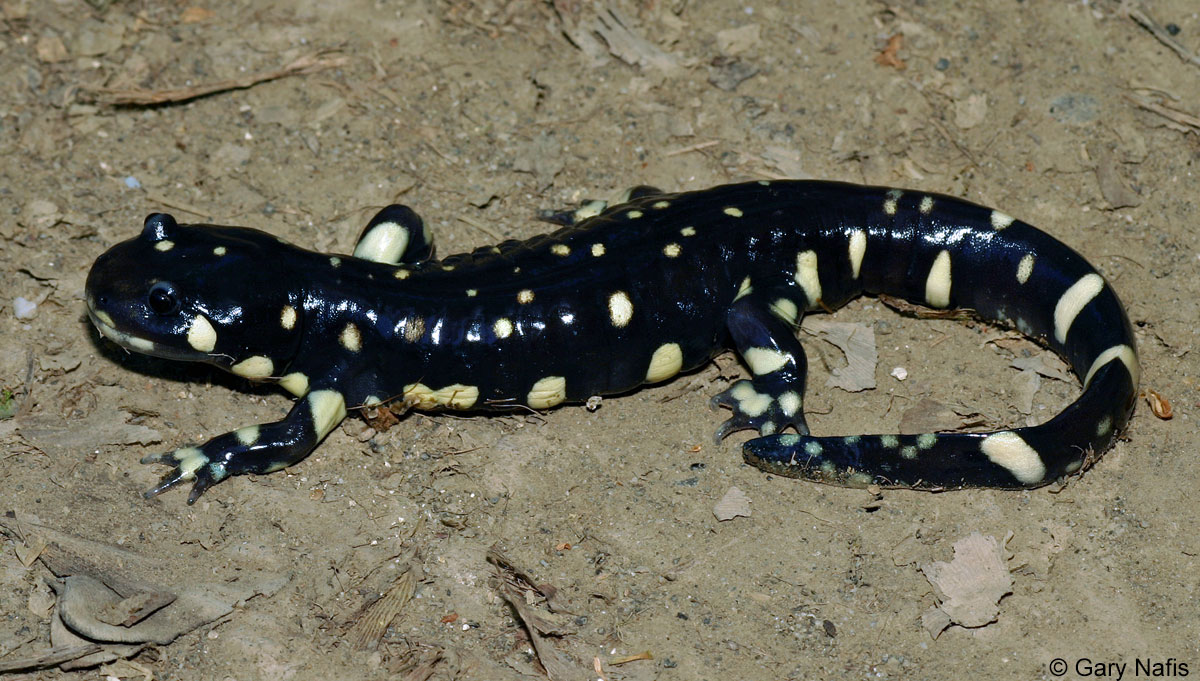
| Adult, Solano County © Gary Nafis. Specimen courtesy of Brad Shaffer & Dylan Dietrich-Reed, UC Davis. |
|||||||||||||||||||||||||||||||||||||||||||||||||||
 |
 |
 |
 |
||||||||||||||||||||||||||||||||||||||||||||||||
| Adult, Alameda County | Adult, Monterey County | Adult, Alameda County | Adult, Alameda County | ||||||||||||||||||||||||||||||||||||||||||||||||
 |
 |
 |
 |
||||||||||||||||||||||||||||||||||||||||||||||||
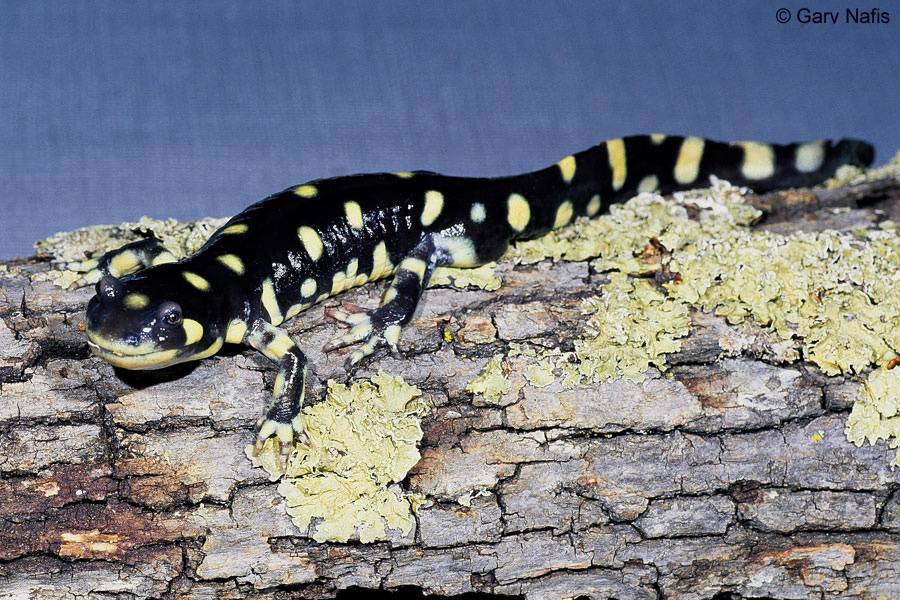
| Adult, Alameda County | Adult, Alameda County | Adult, Santa Cruz County | Adult, San Joaquin County | ||||||||||||||||||||||||||||||||||||||||||||||||
 |
 |
 |
 |
||||||||||||||||||||||||||||||||||||||||||||||||
| Adult, Solano County © Gary Nafis. Specimen courtesy of Brad Shaffer & Dylan Dietrich-Reed, UC Davis. |
|||||||||||||||||||||||||||||||||||||||||||||||||||
 |
 |
 |
 |
||||||||||||||||||||||||||||||||||||||||||||||||
| Adult, Madera County © David Tobler |
Juvenile, Solano County. © Melissa Newman |
Juvenile, Solano County. © Melissa Newman |
Juvenile, Solano County. © Melissa Newman |
||||||||||||||||||||||||||||||||||||||||||||||||
 |
 |
 |
 |
||||||||||||||||||||||||||||||||||||||||||||||||
| Adult, Solano County. © Melissa Newman |
Transformed juvenile observed on a rainy night in November, probably leaving a breeding pond, in Contra Costa County. © Chad Lane |
Adult, San Joaquin County. © James Rexroth |
|||||||||||||||||||||||||||||||||||||||||||||||||
 |
 |
 |
 |
||||||||||||||||||||||||||||||||||||||||||||||||
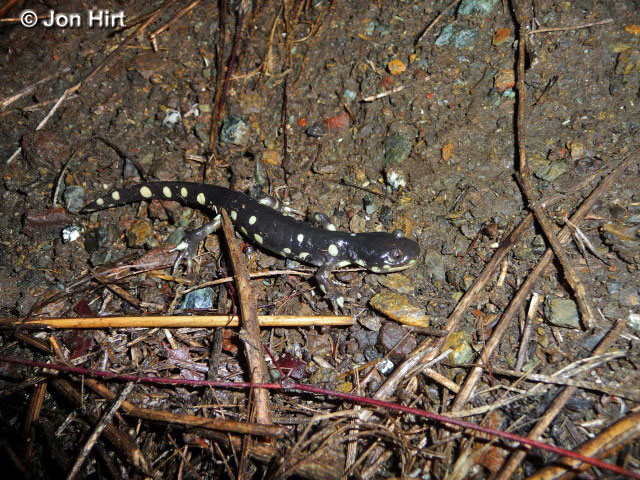
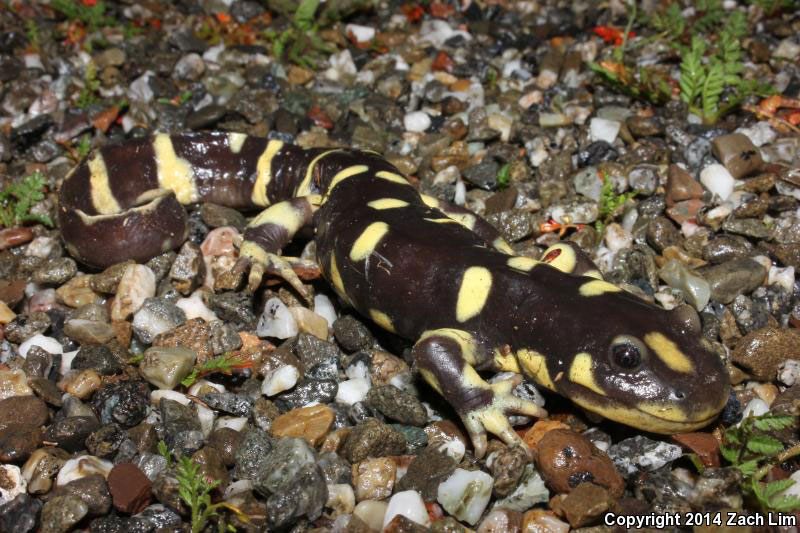
| Juveniles from a pit trap study, Solano County. © Melissa Newman | Juvenile, Santa Clara County. © Jon Hirt | Adult, Santa Cruz County © Zachary Lim |
|||||||||||||||||||||||||||||||||||||||||||||||||
 |
 |
 |
 |
||||||||||||||||||||||||||||||||||||||||||||||||
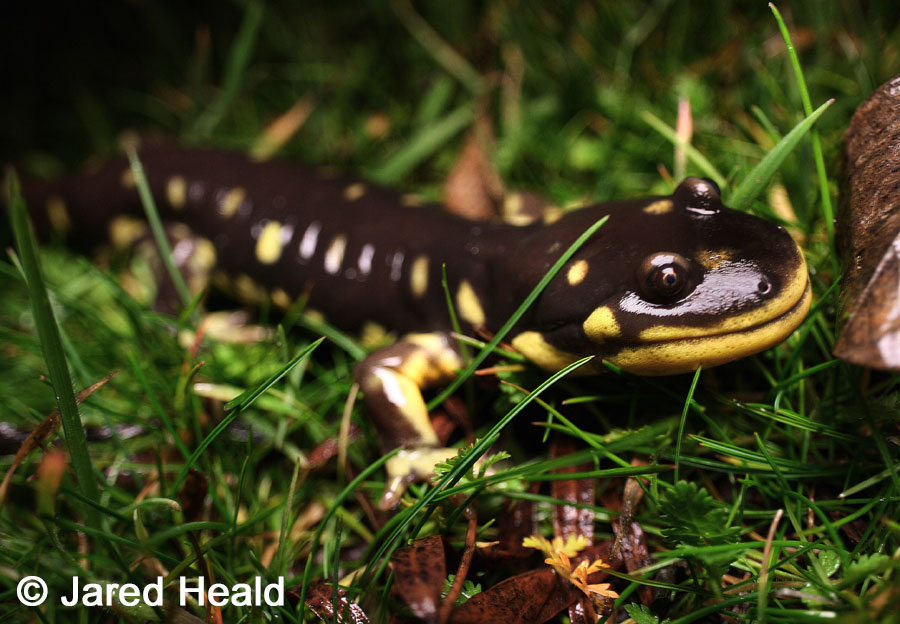
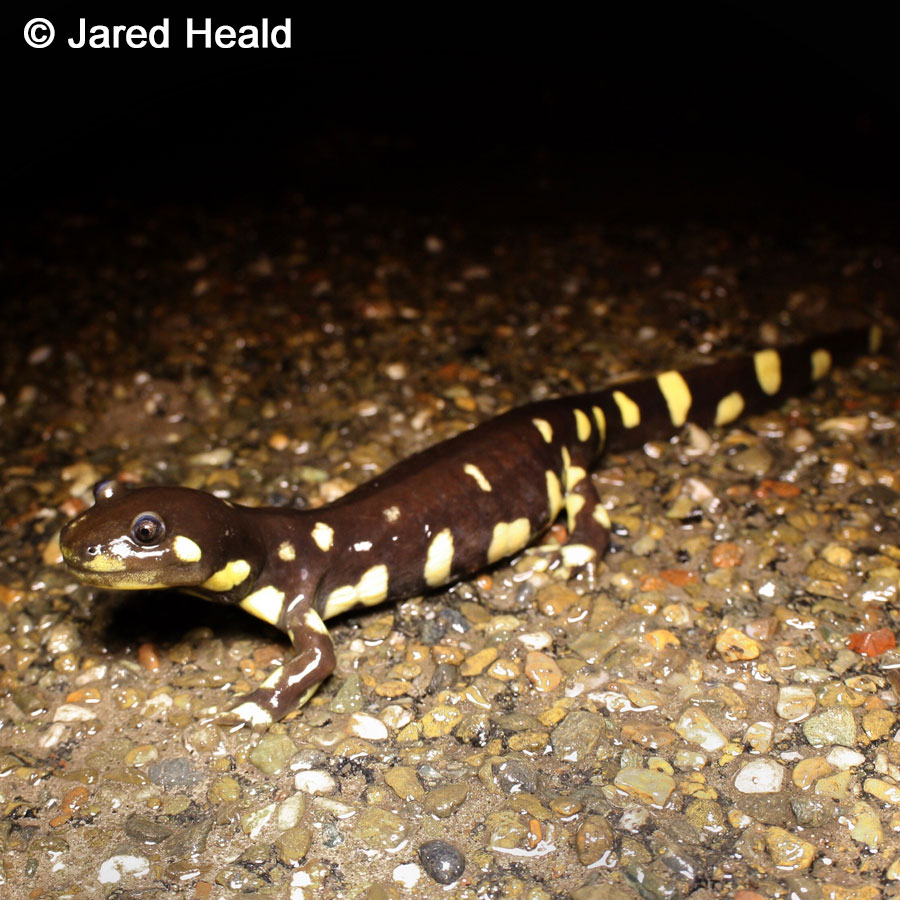
| Adult, Contra Costa County © Jared Heald | Adult, Alameda County © Jared Heald | Adult, San Joaquin County © Jared Heald |
|||||||||||||||||||||||||||||||||||||||||||||||||
 |
 |
 |
 |
||||||||||||||||||||||||||||||||||||||||||||||||
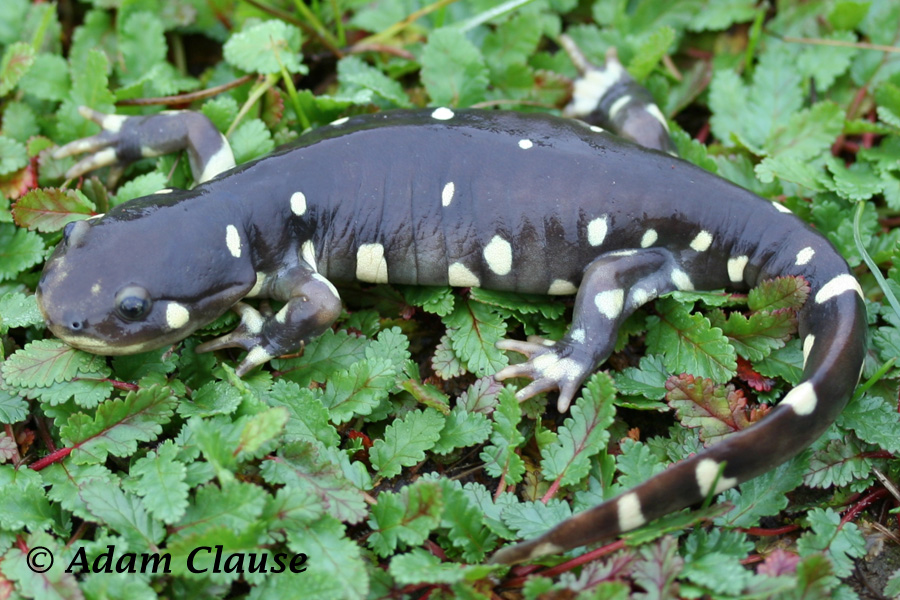
| Adult female, Solano County (captured and handled under Federal Recovery Permit and released at point of capture.) © Adam Clause | Metamorph, Solano County (captured and handled under Federal Recovery Permit and released at point of capture.) © Adam Clause |
Juvenile, Sacramento County © Jon Hirt | Adult, Alameda County © Jared Heald | ||||||||||||||||||||||||||||||||||||||||||||||||
 |
 |
 |
 |
||||||||||||||||||||||||||||||||||||||||||||||||
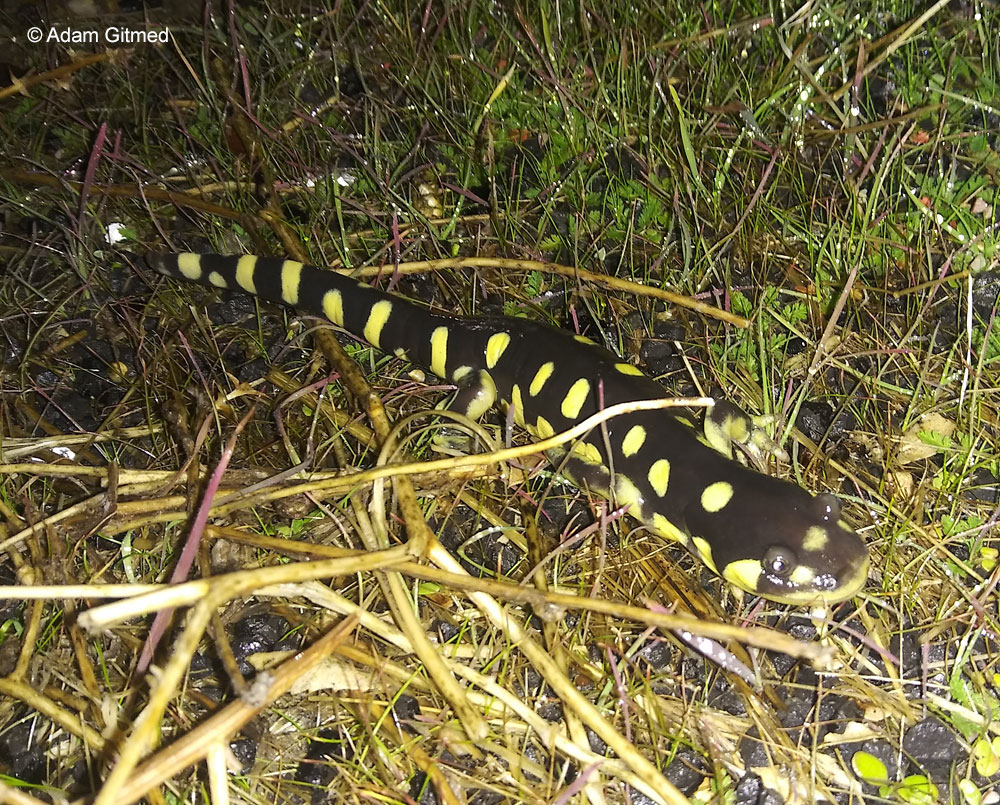
| Adult, Yolo County © Grayson Lloyd | This adult salamander was rescued from underneath a woodpile in a backyard near Knight's Ferry in Stanislaus County, photographed, then released nearby. | Adult female, San Joaquin County © Adam Gitmed |
|||||||||||||||||||||||||||||||||||||||||||||||||
 |
 |
 |
 |
||||||||||||||||||||||||||||||||||||||||||||||||
| Recently-metamorphosed gray-blue un-spotted juvenile, Santa Cruz County, Salamanders. This appearance is typical in a study area of Santa Cruz Long-toed Salamanders in Santa Cruz County.. © Leyna Stemle |
A group of adults found under a board in Santa Clara County. © Cait Hutnik | Footprints and tail drag made at night by an adult male California Tiger Salamander at a pond filled with 18" - 20" of water, two weeks after the first good rain event in December in San Benito County. © Chris Bronny (Shown next to a U.S. dime for size comparison - diameter = .705 inches or 17.91 mm.) | |||||||||||||||||||||||||||||||||||||||||||||||||
Terrestrial Form - Santa Barbara County Population |
|||||||||||||||||||||||||||||||||||||||||||||||||||
 |
|||||||||||||||||||||||||||||||||||||||||||||||||||
| Adult, Santa Barbara County © Gary Nafis. Specimen courtesy of Brad Schaeffer & Dylan Dietrich-Reed, UC Davis. |
|||||||||||||||||||||||||||||||||||||||||||||||||||
 |
 |
 |
 |
||||||||||||||||||||||||||||||||||||||||||||||||
| Adult, Santa Barbara County © Gary Nafis. Specimen courtesy of Brad Shaffer & Dylan Dietrich-Reed, UC Davis. |
Adult, Santa Barbara County. © Gary Nafis. Specimen courtesy of Brad Shaffer & Dylan Dietrich-Reed, UC Davis. |
||||||||||||||||||||||||||||||||||||||||||||||||||
 |
 |
 |
|||||||||||||||||||||||||||||||||||||||||||||||||
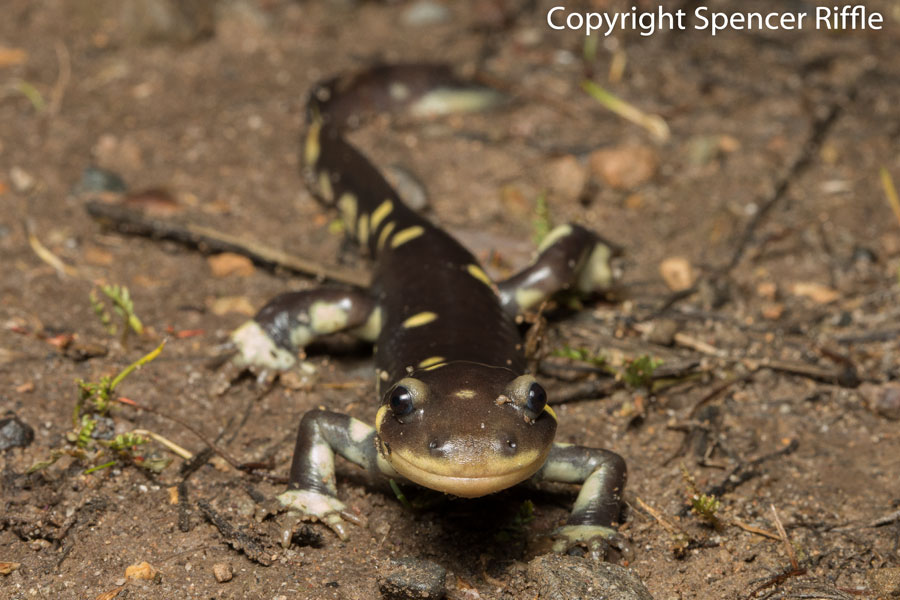
| Adult male, Santa Barbara County © Spencer Riffle | |||||||||||||||||||||||||||||||||||||||||||||||||||
 |
 |
 |
|||||||||||||||||||||||||||||||||||||||||||||||||
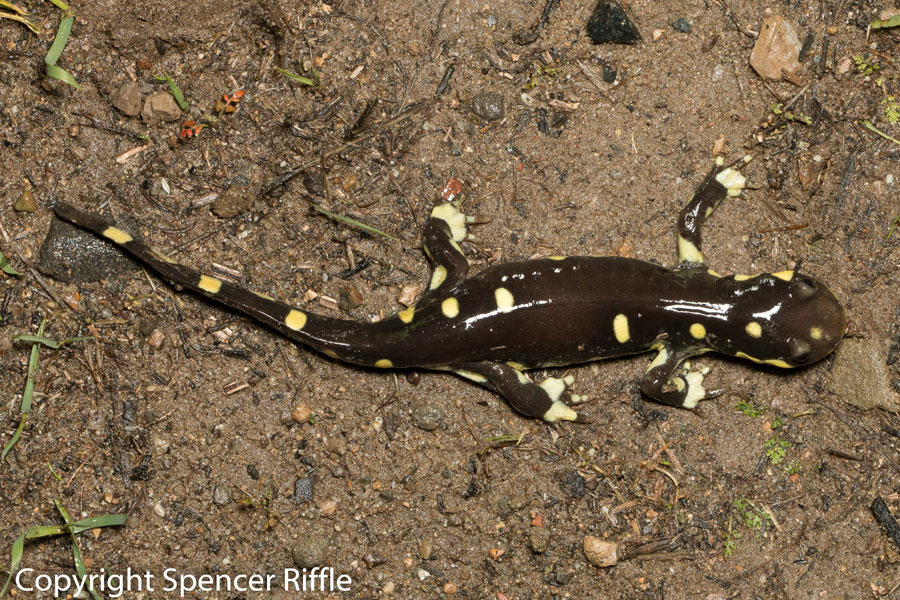
| Adult female, Santa Barbara County © Spencer Riffle | |||||||||||||||||||||||||||||||||||||||||||||||||||
Terrestrial Form - Sonoma County Population |
|||||||||||||||||||||||||||||||||||||||||||||||||||
 |
 |
||||||||||||||||||||||||||||||||||||||||||||||||||
| Juvenile, Sonoma County © Edgar Ortega | |||||||||||||||||||||||||||||||||||||||||||||||||||
 |
 |
 |
|||||||||||||||||||||||||||||||||||||||||||||||||
| Adult, Sonoma County © Edgar Ortega |
Adult, Sonoma County © Edgar Ortega |
Adult, Sonoma County © Andre Giraldi |
|||||||||||||||||||||||||||||||||||||||||||||||||
| Ambystoma californiense x Ambystoma mavortium Hybrids | |||||||||||||||||||||||||||||||||||||||||||||||||||
 |
 |
||||||||||||||||||||||||||||||||||||||||||||||||||
| Monterey County adult hybrid of A. t. mavortium - Barred Tiger Salamander and A. californiense. © Gary Nafis. Specimen courtesy of Brad Shaffer & Dylan Dietrich-Reed, UC Davis. |
|||||||||||||||||||||||||||||||||||||||||||||||||||
| Eggs in a Contra Costa County pond, photographed in January and February (of different years) | |||||||||||||||||||||||||||||||||||||||||||||||||||
 |
 |
 |
 |
||||||||||||||||||||||||||||||||||||||||||||||||
| Egg in water with water mites nearby, early January 3rd, Contra Costa County © Mark Gary |
Eggs in breeding pond on January 16th, Contra Costa County © Mark Gary | Egg in Contra Costa County breeding pond, © Mark Gary Left: egg on January 18th Right: the same egg, January 23rd |
|||||||||||||||||||||||||||||||||||||||||||||||||
 |
 |
 |
 |
||||||||||||||||||||||||||||||||||||||||||||||||
| Maturing eggs in breeding pond, January 31st, Contra Costa County © Mark Gary | Maturing eggs in breeding pond, February 6th, Contra Costa County. Embryos have developed gills, some have hatched. © Mark Gary |
||||||||||||||||||||||||||||||||||||||||||||||||||
 |
 |
 |
|||||||||||||||||||||||||||||||||||||||||||||||||
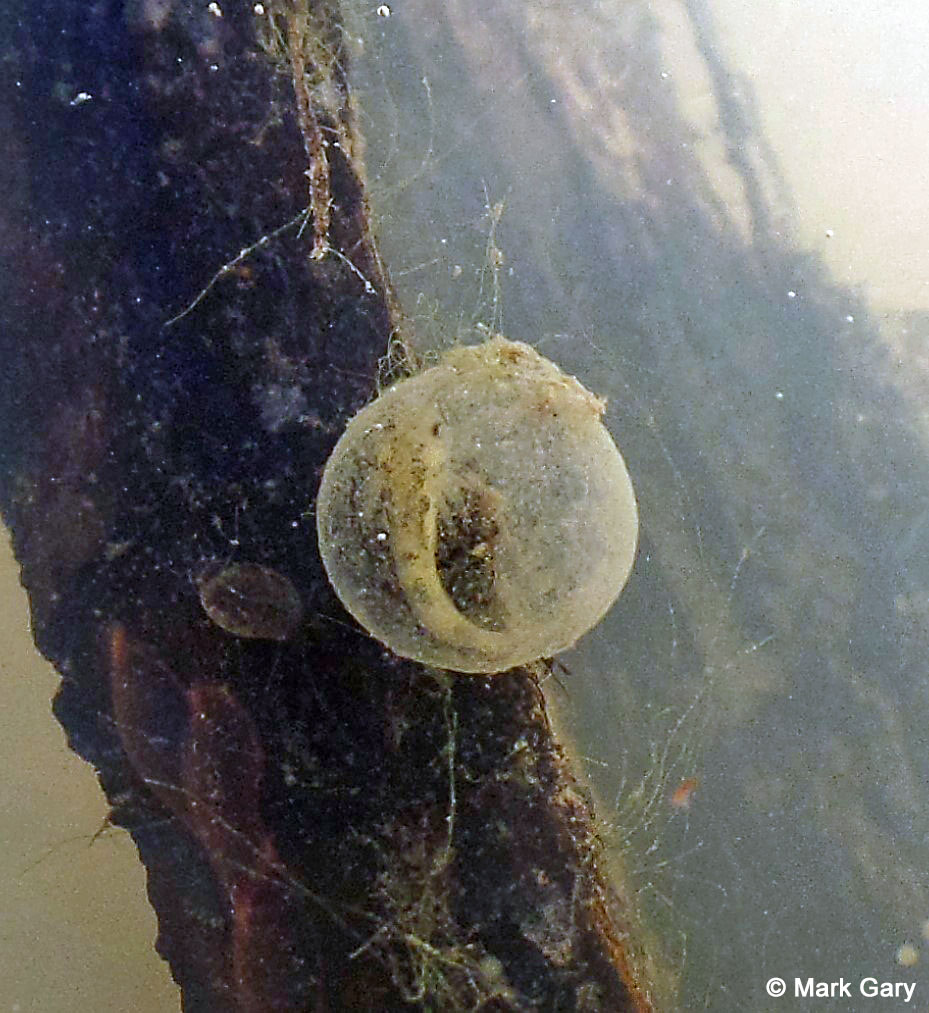
| Maturing eggs in breeding pond, February 6th, Contra Costa County. Embryos have developed gills, some have hatched. © Mark Gary |
Very mature egg close to hatching. Some pattern and gills are now visible on the larva and it is wiggling inside the egg, February 7th, Contra Costa County © Mark Gary |
||||||||||||||||||||||||||||||||||||||||||||||||||
| More California Tiger Salamander Eggs | |||||||||||||||||||||||||||||||||||||||||||||||||||
 |
 |
 |
 |
||||||||||||||||||||||||||||||||||||||||||||||||
| Eggs, December 22nd, Contra Costa County © Mark Gary |
The same eggs seen on the left ten days later on January 1st, Contra Costa County © Mark Gary | Egg attached to a floating Cattail plant, Contra Costa County © Mark Gary | Eggs, Contra Costa County © Mark Gary |
||||||||||||||||||||||||||||||||||||||||||||||||
 |
 |
 |
 |
||||||||||||||||||||||||||||||||||||||||||||||||
| Single egg, Alameda County © Marcia Grefsrud/CDFW |
Eggs shown out of water, Santa Clara County © Rob Schell | Eggs in water, Monterey County © Shirley Tudor |
Eggs on a small stick underwater © Bill Stagnaro |
||||||||||||||||||||||||||||||||||||||||||||||||
 |
 |
 |
 |
||||||||||||||||||||||||||||||||||||||||||||||||
| Eggs taken out of water temporarily for photograph, Alameda County © Joseph E. DiDonato |
Eggs taken out of water temporarily for photograph, Alameda County © Joseph E. DiDonato |
Eggs taken out of water temporarily for photograph, Alameda County © Joseph E. DiDonato |
Eggs taken out of water temporarily for photograph, Alameda County © Joseph E. DiDonato |
||||||||||||||||||||||||||||||||||||||||||||||||
 |
 |
 |
 |
||||||||||||||||||||||||||||||||||||||||||||||||
| Eggs taken out of water temporarily for photograph, Alameda County © Joseph E. DiDonato |
One egg photographed out of the water © Bill Stagnaro |
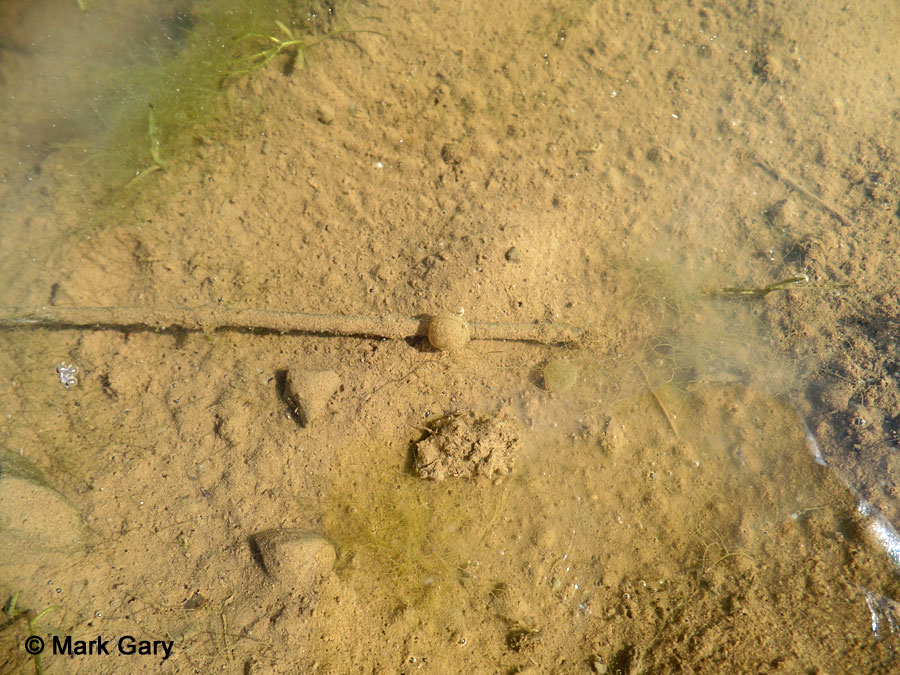
Eggs found in Contra Costa County © Mark Gary | |||||||||||||||||||||||||||||||||||||||||||||||||
 |
 |
 |
 |
||||||||||||||||||||||||||||||||||||||||||||||||
| The danger of eggs laid in temporary ponds: The eggs shown above were all laid underwater in December in a pond in Contra Costa County that did not retain water. As the pond leaked the eggs became stranded above water where they will desiccate and not hatch, shown here in mid January. © Mark Gary |
|||||||||||||||||||||||||||||||||||||||||||||||||||
 |
 |
 |
|||||||||||||||||||||||||||||||||||||||||||||||||
| More eggs stranded in receding pond water in Contra Costa County. © Mark Gary |
This picture shows a single California Tiger Salamander egg on the top right with a much larger Sierran Treefrog egg sack on the bottom, in a pond in Contra Costa County. © Mark Gary | This picture shows several California tiger salamander eggs deposited on branches in an Alameda County pond, with a large California Red-legged Frog egg mass above left. © Mark Gary | |||||||||||||||||||||||||||||||||||||||||||||||||
| California Tiger Salamander Aquatic Larvae | |||||||||||||||||||||||||||||||||||||||||||||||||||
 |
 |
 |
|||||||||||||||||||||||||||||||||||||||||||||||||
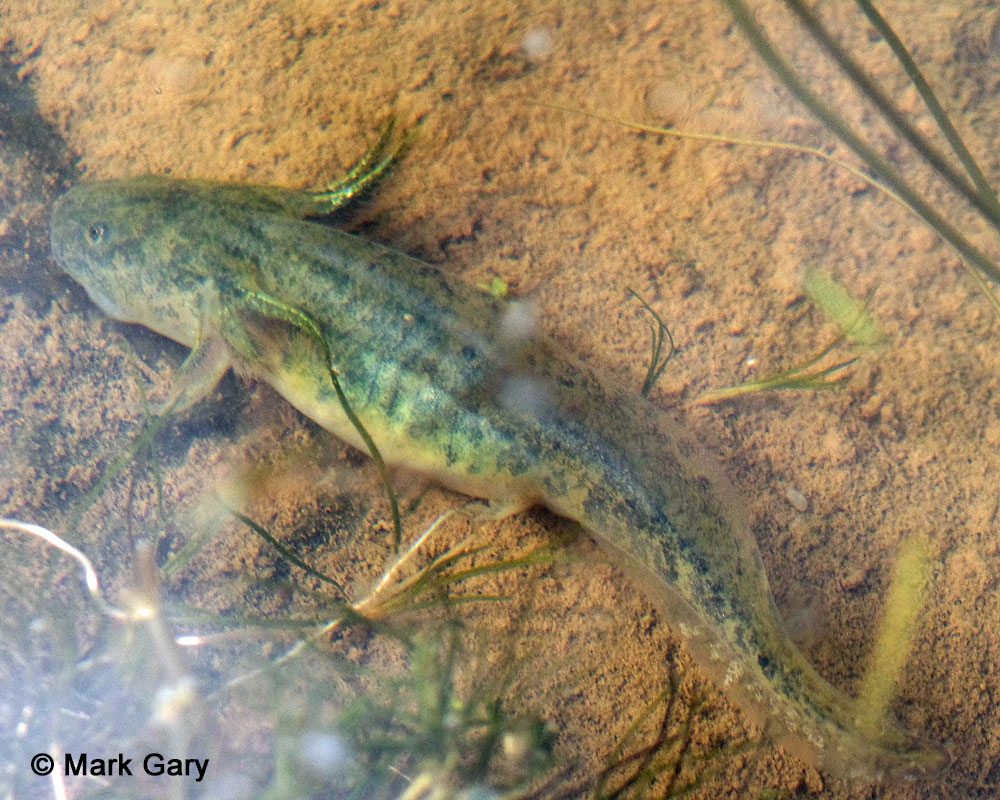
| Mature larva found in early May in Contra Costa County © Mark Gary | Mature larvae found in April in Contra Costa County © Mark Gary | Young larvae in natal pond, early March, Contra Costa County | |||||||||||||||||||||||||||||||||||||||||||||||||
 |
 |
 |
 |
||||||||||||||||||||||||||||||||||||||||||||||||
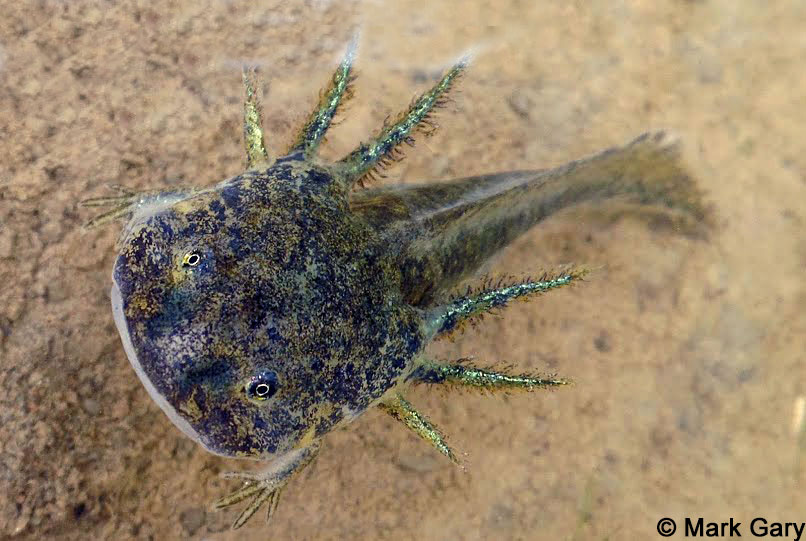
| Mature larvae found in April in Contra Costa County © Mark Gary | Young larvae in natal pond, early March, Contra Costa County © Lou Silva | ||||||||||||||||||||||||||||||||||||||||||||||||||
 |
 |
 |
 |
||||||||||||||||||||||||||||||||||||||||||||||||
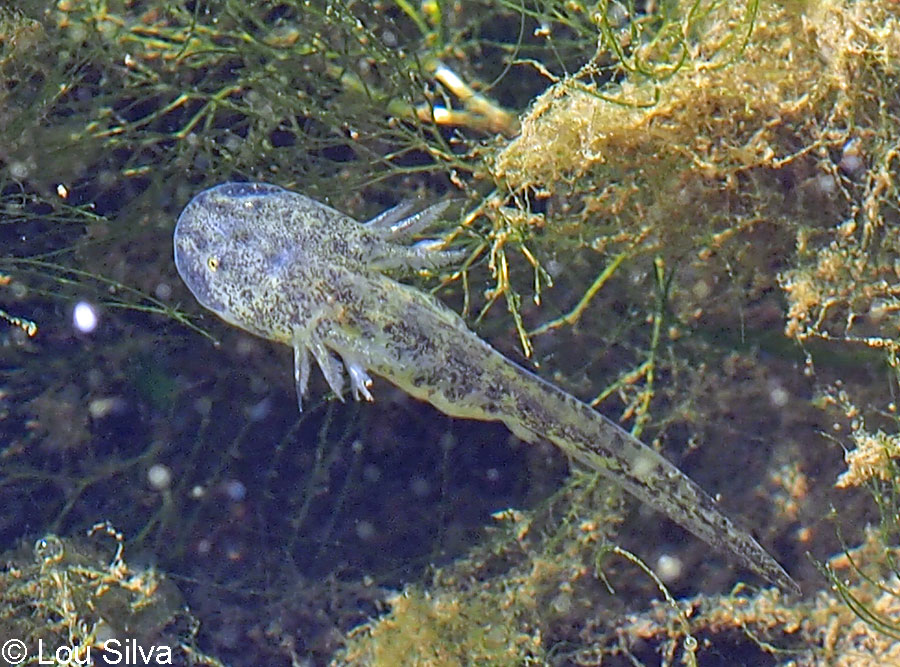
| Young larvae in natal pond, early March, Contra Costa County | Young larvae in natal pond, early March, Contra Costa County © Lou Silva | ||||||||||||||||||||||||||||||||||||||||||||||||||
 |
 |
 |
 |
||||||||||||||||||||||||||||||||||||||||||||||||
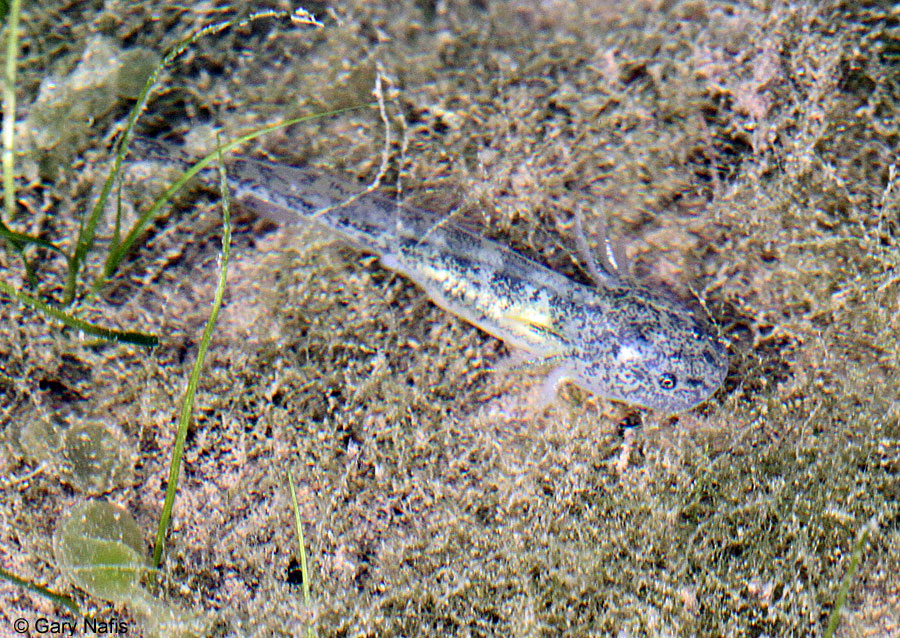
| Mature Larva in water © Gary Nafis. Specimen courtesy of Brad Shaffer & Dylan Dietrich-Reed, UC Davis. |
Larva in breeding pond in early June, Contra Costa County. © Chad M. Lane | ||||||||||||||||||||||||||||||||||||||||||||||||||
 |
 |
 |
|||||||||||||||||||||||||||||||||||||||||||||||||
| Mature Larva in water © Gary Nafis. Specimen courtesy of Brad Shaffer & Dylan Dietrich-Reed, UC Davis. |
Young larvae in natal pond, early March, Contra Costa County | ||||||||||||||||||||||||||||||||||||||||||||||||||
 |
 |
 |
 |
||||||||||||||||||||||||||||||||||||||||||||||||
| Mature larva, found in late November, Contra Costa County © Marcia Grefsrud/CDFW |
Larvae swimming in natal pond in late June, Contra Costa County | ||||||||||||||||||||||||||||||||||||||||||||||||||
 |
 |
 |
 |
||||||||||||||||||||||||||||||||||||||||||||||||
| Larvae swimming in natal pond in late June, Contra Costa County | |||||||||||||||||||||||||||||||||||||||||||||||||||
 |
 |
 |
 |
||||||||||||||||||||||||||||||||||||||||||||||||
| Newly hatched larva, Sonoma County. © Bill Stagnaro |
Newly hatched larva, Sonoma County. © Bill Stagnaro |
Larvae, Santa Clara County © Rob Schell | Egg and larva, Monterey County © Shirley Tudor |
||||||||||||||||||||||||||||||||||||||||||||||||
 |
 |
 |
 |
||||||||||||||||||||||||||||||||||||||||||||||||
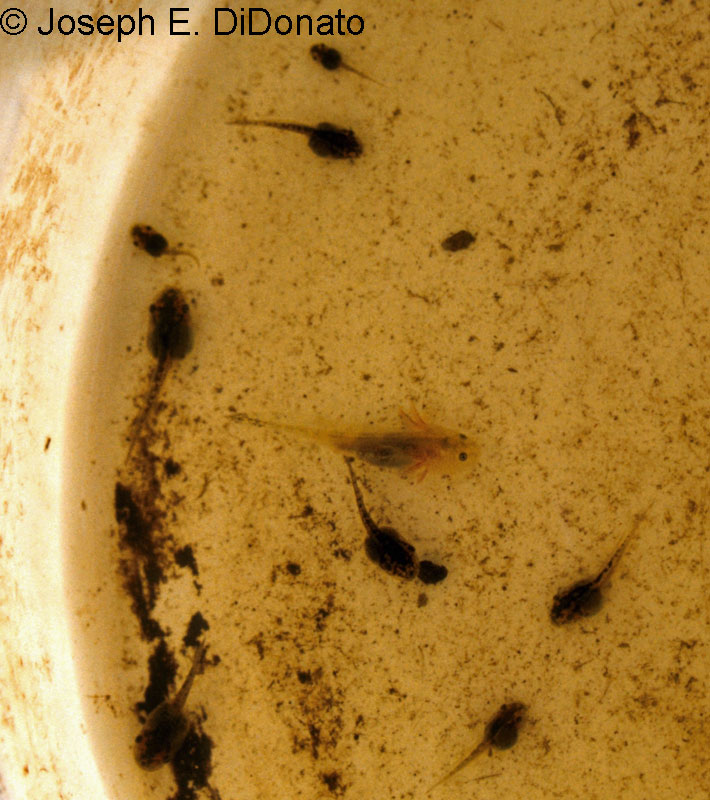
| Larva next to Sierran Treefrog tadpoles for comparison, Alameda County. © Joseph E. DiDonato |
Light colored larva, Alameda County. © Joseph E. DiDonato |
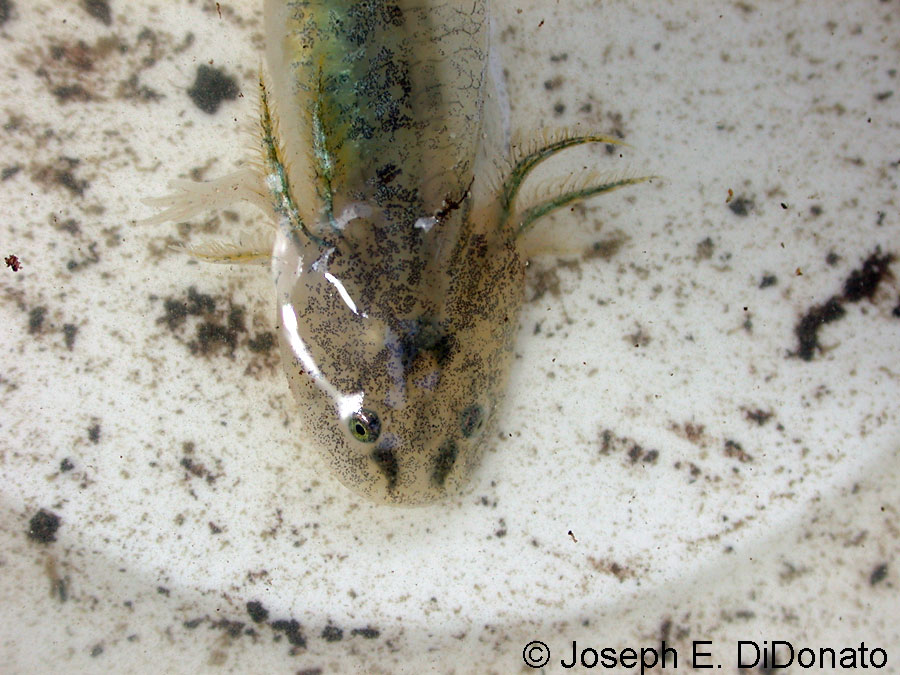
Larva, Contra Costa County, netted in an amphibian survey in late August. | Larva showing pigment development, Alameda County © Joseph E. DiDonato | ||||||||||||||||||||||||||||||||||||||||||||||||
 |
 |
 |
 |
||||||||||||||||||||||||||||||||||||||||||||||||
| Very mature larvae in water, Solano County © Richard Porter |
Mature larva with gill remnants still visible found walking on land after leaving the breeding pond during a rainy period in mid May in Solano County. © Richard Porter |
Pale, possibly albino, larva, Alameda County, seined by Permitted biologists. © Michael Starkey |
Light-colored morph larva from a turbid pool in Solano County © Marcia Grefsrud/CDFW Grefsrud told me that CTS researchers Trenham and Searcy have noticed light-colored morph larvae in turbid water and darker morph larvae in clear water. |
||||||||||||||||||||||||||||||||||||||||||||||||
 |
 |
 |
|||||||||||||||||||||||||||||||||||||||||||||||||
| This huge larval California Tiger Salamander was captured temporarily under permit during an authorized pond survey in May. It is most likely an overwintering larva because neotenic CTS have not been reported. |
Hatchling larva, Contra Costa County © Mark Gary This tiny larva was observed hatching from its egg and dropping to the pond bottom. Other recently-hatched larvae were observed resting on the bottom, where they were not yet able to swim. |
||||||||||||||||||||||||||||||||||||||||||||||||||
 |
 |
||||||||||||||||||||||||||||||||||||||||||||||||||
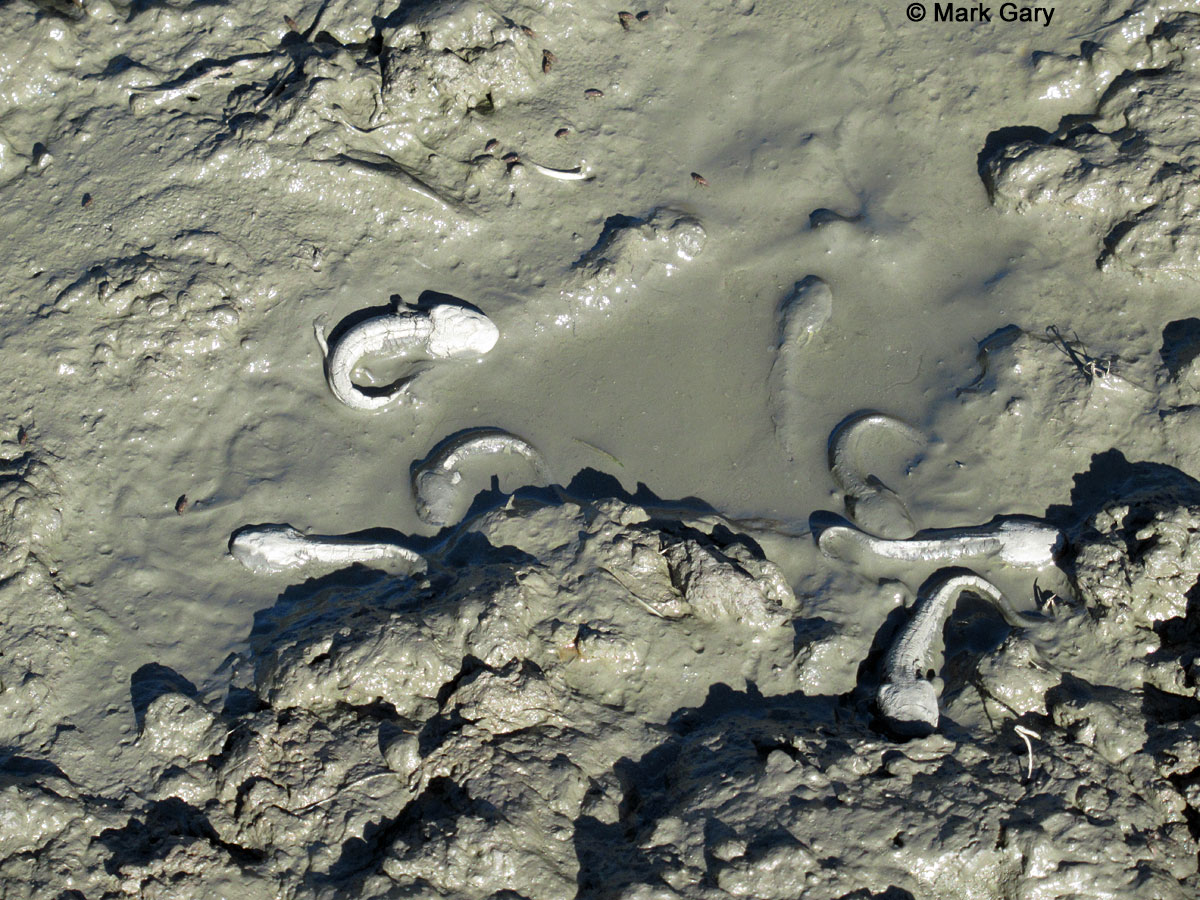
| The downside to breeding in ephemeral waters is that sometimes the water disappears before the larvae are ready to leave. These California Tiger Salamander larvae were stranded in an evaporating stock pond in San Benito County and were not able to transform into terrestrial salamanders before the water dried up. © Chris Bronny | Larvae stranded in the last bit of water remaining in a Contra Costa County pond that dried up by early June, which is much earlier than usual. © Mark Gary | ||||||||||||||||||||||||||||||||||||||||||||||||||
California Tiger Salamander Larvae Feeding |
|||||||||||||||||||||||||||||||||||||||||||||||||||
 |
 |
 |
 |
||||||||||||||||||||||||||||||||||||||||||||||||
| A mature larva eating a Sierran Treefrog tadpole in Contra Costa County in early May. © Mark Gary | Cannibal morph Californai Tiger Salamander larva - seen eating another CTS larva, Alameda County © Marcia Grefsrud/CDFW |
California Tiger Salamander larvae swim around a murky pool in Contra Costa County in June, rising to the surface for a gulp of air or to attempt to eat Sierran Treefrog tadpoles. | A mature California Tiger Salamander larva eats a Sierran Treefrog tadpole in late May. © Mark Gary |
||||||||||||||||||||||||||||||||||||||||||||||||
Predation of California Tiger Salamander Larvae |
|||||||||||||||||||||||||||||||||||||||||||||||||||
 |
 |
 |
|||||||||||||||||||||||||||||||||||||||||||||||||
 |
 |
 |
|||||||||||||||||||||||||||||||||||||||||||||||||
| This series shows a Diablo Range Gartersnake eating a California Tiger Salamander larva in Contra Costa County. The snake caught the larva in the water, then brought it to shore to swallow it. © Mark Gary |
|||||||||||||||||||||||||||||||||||||||||||||||||||
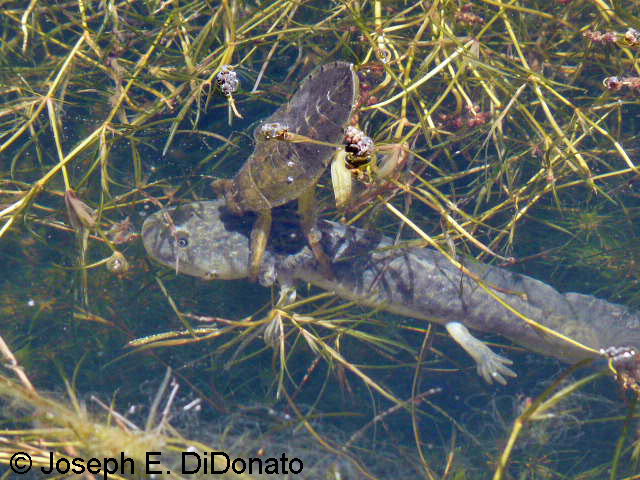 |
 |
||||||||||||||||||||||||||||||||||||||||||||||||||
| Aquatic larva caught by Giant Water Bug nymph, (Lethocerus sp.) which will kill it by injecting a digestive saliva then sucking out the liquefied remains. Alameda County. © Joseph E. DiDonato | This short video shows a California Tiger Salamander larva cannibalizing another California Tiger Salamander larva. © Grayson Sandy |
||||||||||||||||||||||||||||||||||||||||||||||||||
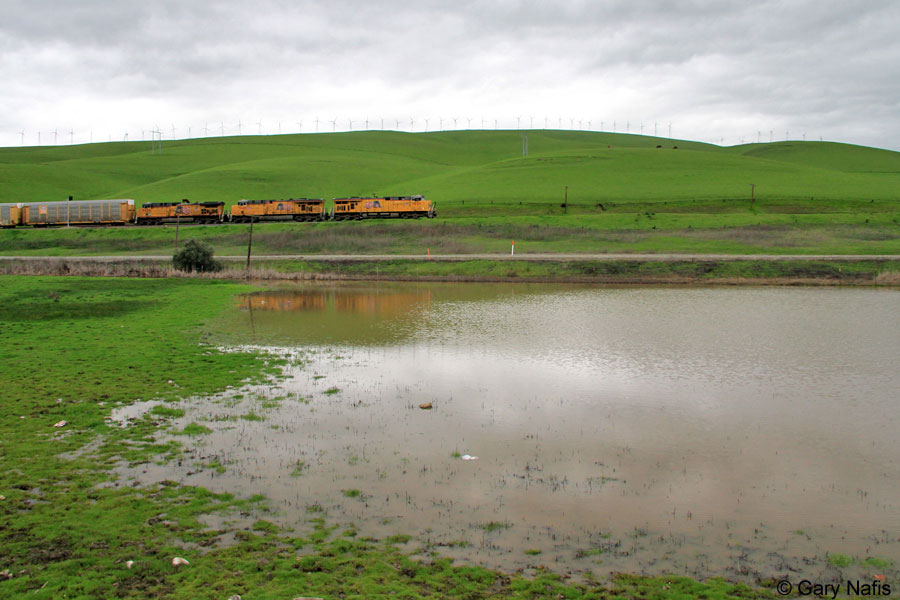
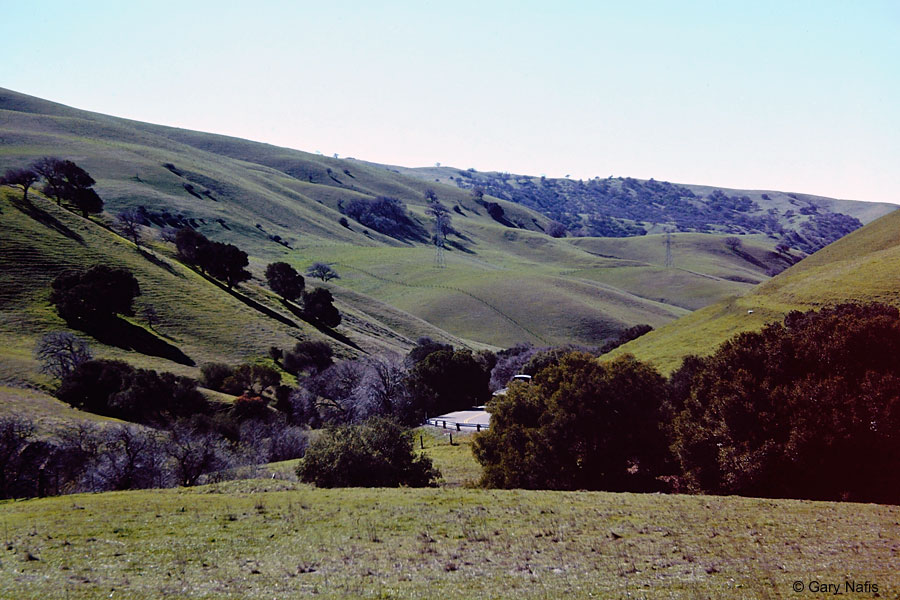
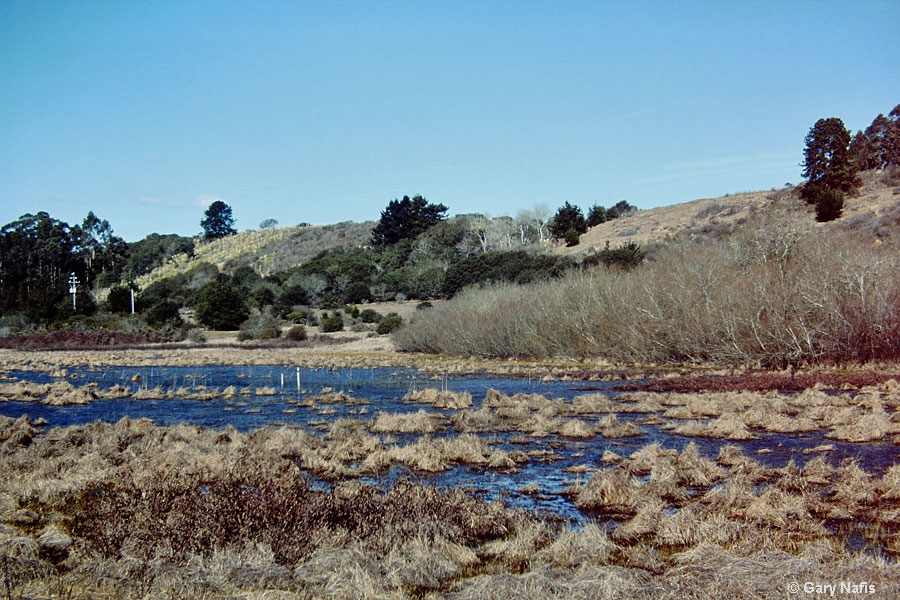
| Habitat for the Central California Population | |||||||||||||||||||||||||||||||||||||||||||||||||||
 |
 |
 |
 |
||||||||||||||||||||||||||||||||||||||||||||||||
| Breeding pond, Alameda County | Breeding pond, Alameda County | ||||||||||||||||||||||||||||||||||||||||||||||||||
 |
 |
 |
 |
||||||||||||||||||||||||||||||||||||||||||||||||
| Native prairie with vernal pool breeding habitat in winter, Solano County | Breeding pond, Alameda County |
||||||||||||||||||||||||||||||||||||||||||||||||||
 |
 |
 |
 |
||||||||||||||||||||||||||||||||||||||||||||||||
| Grasslands habitat, Merced County | Breeding pond, Alameda County | Habitat, Alameda County | Habitat, Alameda County | ||||||||||||||||||||||||||||||||||||||||||||||||
 |
 |
 |
 |
||||||||||||||||||||||||||||||||||||||||||||||||
| Habitat, Alameda County | Breeding pond, Santa Cruz County | Habitat and breeding pond, Contra Costa County |
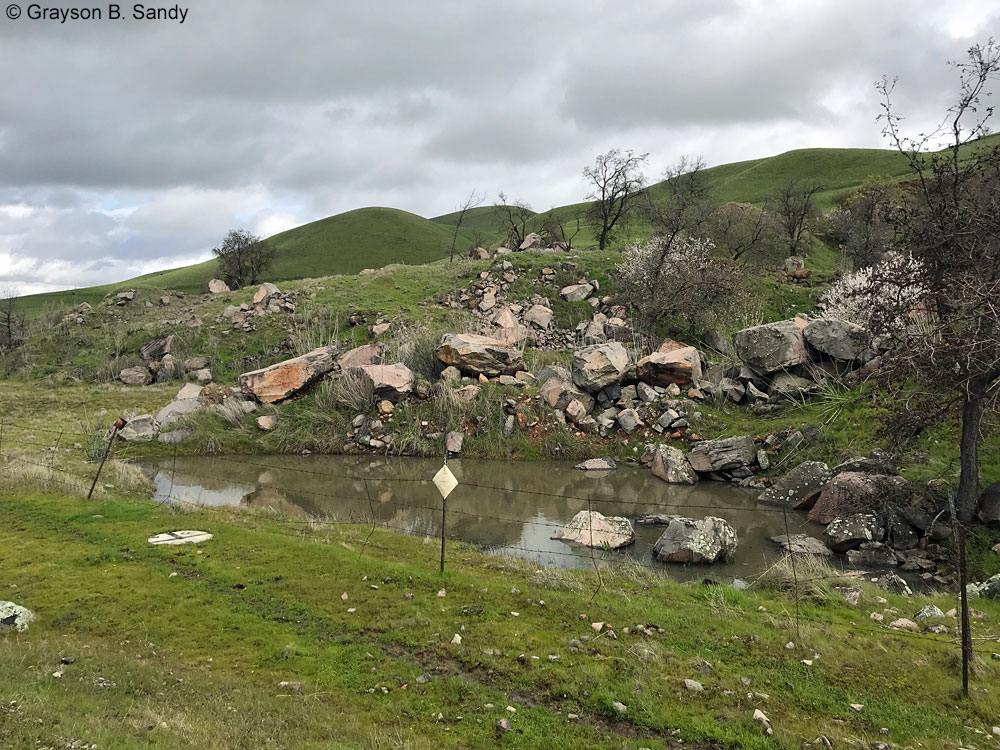
Breeding pond in March, Contra Costa County © Grayson B. Sandy | ||||||||||||||||||||||||||||||||||||||||||||||||
 |
 |
 |
 |
||||||||||||||||||||||||||||||||||||||||||||||||
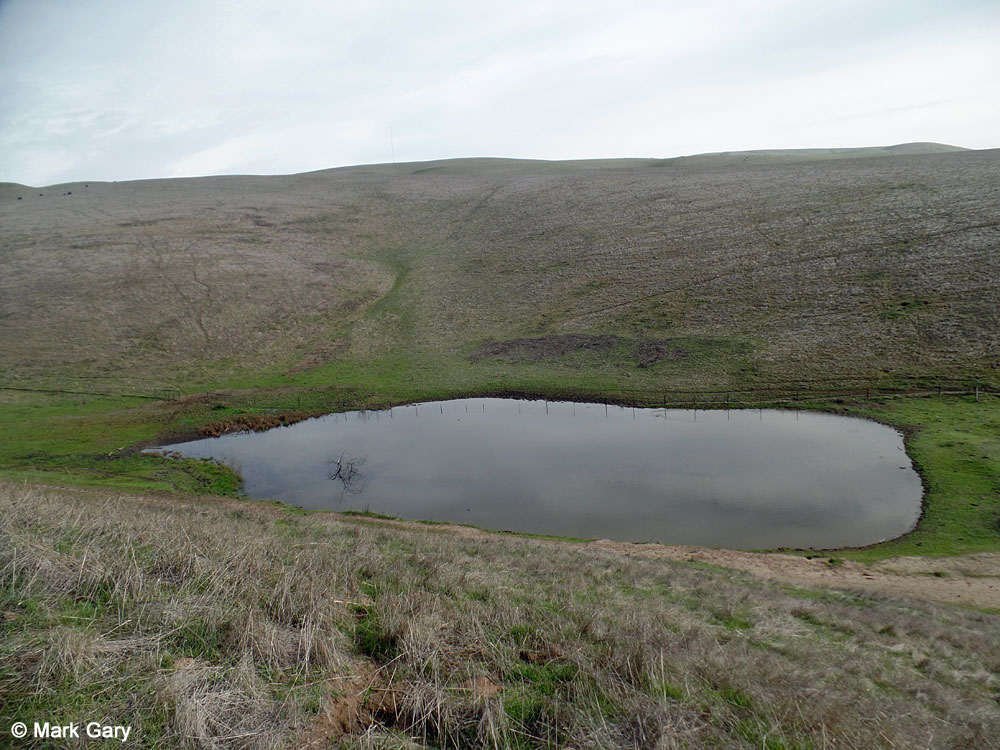
| Breeding pond, Contra Costa County © Mark Gary |
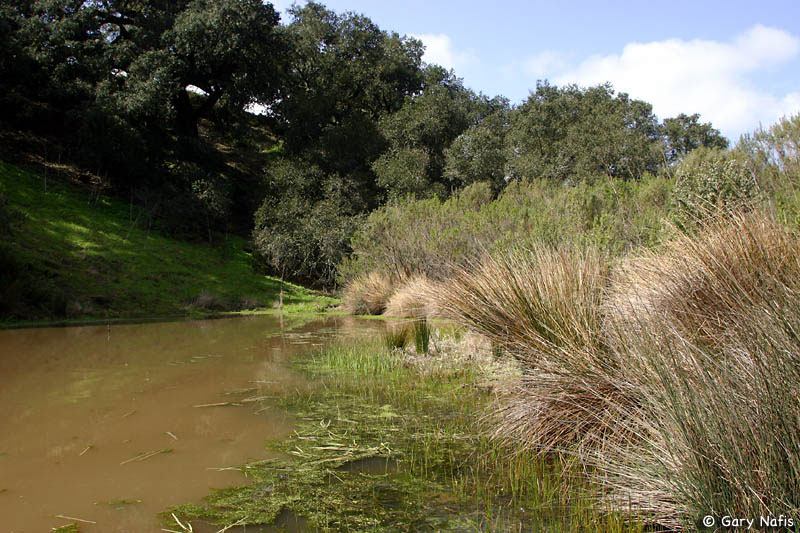
Breeding pond, Contra Costa County © Mark Gary |
Habitat, breeding pond, Santa Lucia Preserve, Monterey County. Courtesy of David Keegan & Susan Whitford | Habitat, breeding pond, Santa Lucia Preserve, Monterey County. Courtesy of David Keegan & Susan Whitford | ||||||||||||||||||||||||||||||||||||||||||||||||
 |
 |
||||||||||||||||||||||||||||||||||||||||||||||||||
| Breeding pond, Contra Costa County | Breeding pond, Alameda County © Mark Gary |
||||||||||||||||||||||||||||||||||||||||||||||||||
| Seasonal Views of a California Tiger Salamander Breeding Pond (Central California Population) | |||||||||||||||||||||||||||||||||||||||||||||||||||
One habitat picture can never show the whole story, so here's a series of pictures that show a small breeding pond as it looked each month during a single year (2016), illustrating how the pond and its surroundings change over the seasons. 2016 was a relatively wet year when the pond barely dried out. We have many more pictures of this pond in other years, including drought years, and after it was re-built by heavy equipment in 2017. There is also a page showing flora and fauna found in and around the pond. |
|||||||||||||||||||||||||||||||||||||||||||||||||||
 |
 |
 |
 |
||||||||||||||||||||||||||||||||||||||||||||||||
| January, 2016 © Mark Gary CA Tiger Salamander eggs are present |
February 2016 © Mark Gary CA Tiger salamander embryos with gills are visible in the water. Some have already hatched. |
March, 2016 © Mark Gary | April, 2016 © Mark Gary | ||||||||||||||||||||||||||||||||||||||||||||||||
 |
 |
 |
 |
||||||||||||||||||||||||||||||||||||||||||||||||
| Early May, 2016 © Mark Gary | Early June, 2016 © Mark Gary | Early July, 2016 © Mark Gary | Mid August, 2016 © Mark Gary | ||||||||||||||||||||||||||||||||||||||||||||||||
 |
 |
 |
 |
||||||||||||||||||||||||||||||||||||||||||||||||
| September, 2016 © Mark Gary |
October, 2016 © Mark Gary |
November, 2016 © Mark Gary |
December, 2016 © Mark Gary CA Tiger salamander eggs were laid this year between November 26th and December 3rd. |
||||||||||||||||||||||||||||||||||||||||||||||||
 |
|||||||||||||||||||||||||||||||||||||||||||||||||||
| Click on this picture to see an animated loop of Mark Gary's photographs of the pond during every consecutive month of 2016. (Made by Zachary Cava.) | |||||||||||||||||||||||||||||||||||||||||||||||||||
| Habitat for the Santa Barbara Population | |||||||||||||||||||||||||||||||||||||||||||||||||||
 |
 |
 |
|||||||||||||||||||||||||||||||||||||||||||||||||
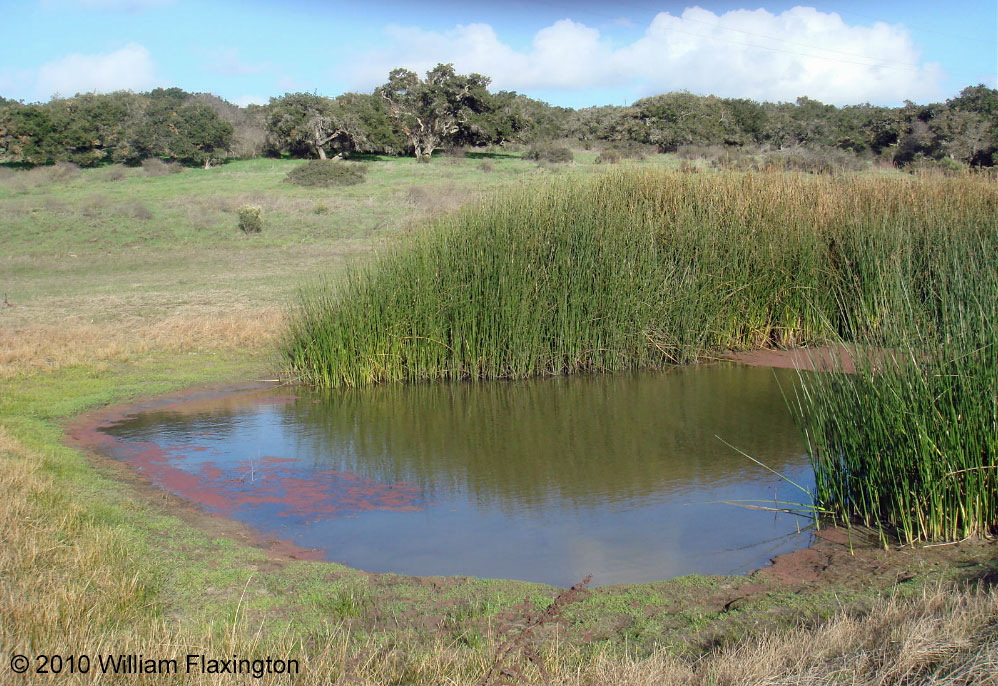
| Habitat, Santa Barbara County © William Flaxington |
Habitat, Santa Barbara County © William Flaxington |
This shows the historical habitat of a museum specimen in Santa Barbara County. The area appears to have been since developed for agriculture, which is a common fate for much of the species former vernal pond breeding habitat. |
|||||||||||||||||||||||||||||||||||||||||||||||||
| Habitat for the Sonoma County Population | |||||||||||||||||||||||||||||||||||||||||||||||||||
 |
|||||||||||||||||||||||||||||||||||||||||||||||||||
| Habitat in winter, Sonoma County | |||||||||||||||||||||||||||||||||||||||||||||||||||
California Tiger Salamander Association with California Ground Squirrels and with Cattle |
|||||||||||||||||||||||||||||||||||||||||||||||||||
 |
 |
 |
 |
||||||||||||||||||||||||||||||||||||||||||||||||
 |
 |
 |
 |
||||||||||||||||||||||||||||||||||||||||||||||||
| A California Tiger Salamander spends most of its life underground. California Ground Squirrel burrows, such as those seen here, are often a very important part of the habitat of these salamanders. An active population of burrowing ground squirrels (or other burrowing mammals) is necessary to sustain sufficient underground refuge for the salamanders since burrows that are not maintained will collapse within about 18 months. | |||||||||||||||||||||||||||||||||||||||||||||||||||
 |
 |
 |
|||||||||||||||||||||||||||||||||||||||||||||||||
| Grazing cows drink out of the pond but when it dries up, a temporary fence is sometimes erected around any remaining mud to prevent the cows from trampling it. While it might seem that cattle are disturbing the pond by crushing vegetation and silting the water, it is thought that they are actually helping red-legged frogs and tiger salamanders, which prefer ponds without a lot of tall vegetation on the shores. Too much vegetation makes it hard for the salamanders to migrate to the burrows where they spend their non-breeding time. The lack of vegetation also keeps the water warmer, which is preferred by tadpoles and salamander larvae, and the cloudy water helps provide cover from predators. |
|||||||||||||||||||||||||||||||||||||||||||||||||||
| Short Videos | |||||||||||||||||||||||||||||||||||||||||||||||||||
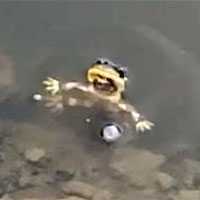 |
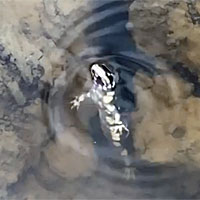 |
|
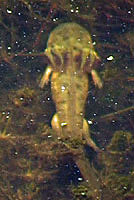 |
||||||||||||||||||||||||||||||||||||||||||||||||
| These short videos each show an adult California Tiger Salamander in a very shallow pond during the breeding season in late December coming to the surface to take a quick breath of air before returning to the bottom to hide again. © Mark Gary | California Tiger Salamander larvae swim around a murky pool in Contra Costa County in June, rising to the surface for a gulp of air or to attempt to eat Sierran Treefrog tadpoles. | ||||||||||||||||||||||||||||||||||||||||||||||||||
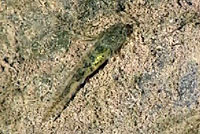 |
|
 |
|||||||||||||||||||||||||||||||||||||||||||||||||
| Fairly young California Tiger Salamander larvae swim around a pool in Contra Costa County in early March. You can see them lunging at food at times. | This short video shows a California Tiger Salamander larva cannibalizing another California Tiger Salamander larva in Contra Costa County. © Grayson Sandy |
This is a short video showing lots of California Tiger Salamader larvae swimming to the surface of a pond in July to gulp air. © Mark Gary | |||||||||||||||||||||||||||||||||||||||||||||||||
|
|||||||||||||||||||||||||||||||||||||||||||||||||||
|
|||||||||||||||||||||||||||||||||||||||||||||||||||
|
The following conservation status listings for this animal are taken from the April 2024 State of California Special Animals List and the April 2024 Federally Listed Endangered and Threatened Animals of California list (unless indicated otherwise below.) Both lists are produced by multiple agencies every year, and sometimes more than once per year, so the conservation status listing information found below might not be from the most recent lists. To make sure you are seeing the most recent listings, go to this California Department of Fish and Wildlife web page where you can search for and download both lists: https://www.wildlife.ca.gov/Data/CNDDB/Plants-and-Animals. A detailed explanation of the meaning of the status listing symbols can be found at the beginning of the two lists. For quick reference, I have included them on my Special Status Information page. If no status is listed here, the animal is not included on either list. This most likely indicates that there are no serious conservation concerns for the animal. To find out more about an animal's status you can also go to the NatureServe and IUCN websites to check their rankings. Check the current California Department of Fish and Wildlife sport fishing regulations to find out if this animal can be legally pursued and handled or collected with possession of a current fishing license. You can also look at the summary of the sport fishing regulations as they apply only to reptiles and amphibians that has been made for this website. Some of these listings apply to the species as a whole, but some agencies split sthe species into three distinct population segments, or DPS, which each has a different status designation. |
|||
| Organization | Status Listing | Notes | |
| NatureServe Global Ranking | Population 1: Central California DPS Population 2: Santa Barbara County DPS Population 3: Sonoma County DPS |
G2G3T3 - Imperiled, Vulnerable - Taxa Vulnerable G2G3T2 - Imperiled, Vulnerable - Taxa Imperiled G2G3T3 - Imperiled, Vulnerable - Taxa Vulnerable |
|
| NatureServe State Ranking | Population 1: Central California DPS Population 2: Santa Barbara County DPS Population 3: Sonoma County DPS |
S3 - Vulnerable S2 - Imperiled S2 - Imperiled |
|
| U.S. Endangered Species Act (ESA) |
Population 1: Central California DPS Population 2: Santa Barbara County DPS Population 3: Sonoma County DPS |
Federally listed as Threatened 9/3/04.
Federally listed as Endangered 9/15/00. Federally listed as Endangered 3/19/03. |
|
| California Endangered Species Act (CESA) | Threatened - The species as a whole is threatened throughout its range. | 8/19/2010 | |
| California Department of Fish and Wildlife | WL | Watch List | |
| Bureau of Land Management | None | ||
| USDA Forest Service | None | ||
| IUCN | VU | Vulnerable | |
|
|
|||
Return to the Top
© 2000 -