
A Guide to the Amphibians
and Reptiles of California
Click on a picture for a larger view
Western Whiptail - Aspidoscelis tigris
California Whiptail - Aspidoscelis tigris munda
(Camp, 1916)(= Aspidoscelis tigris mundus - California Tiger Whiptail / = Cnemidophorus tigris mundus)
Description • Taxonomy • Species Description • Scientific Name • Alt. Names • Similar Herps • References • Conservation Status

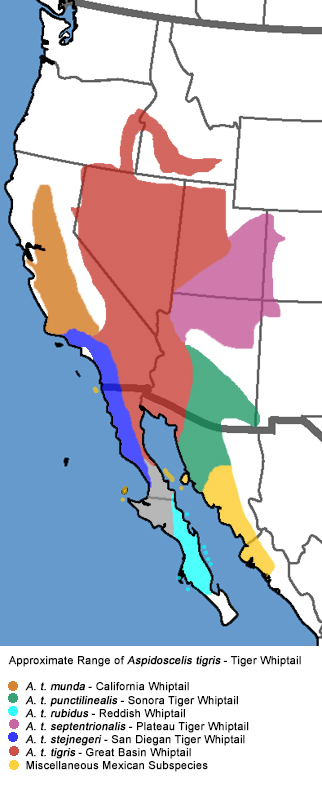
Orange: Range of this subspecies in California
Aspidoscelis tigris munda - California Whiptail
Range of other subspecies in California:
Dark Blue: Range of Aspidoscelis tigris stejnegeri -
Coastal Whiptail
Red: Range of Aspidoscelis tigris tigris -
Great Basin Whiptail
Click on the map for a topographical view
Map with California County Names

 |
|||||||||||||||||||||||||||||||||||||||||||||||||||||||
| Adult, Contra Costa County | |||||||||||||||||||||||||||||||||||||||||||||||||||||||
 |
|||||||||||||||||||||||||||||||||||||||||||||||||||||||
| Adult, Santa Clara County © Yuval Helfman | |||||||||||||||||||||||||||||||||||||||||||||||||||||||
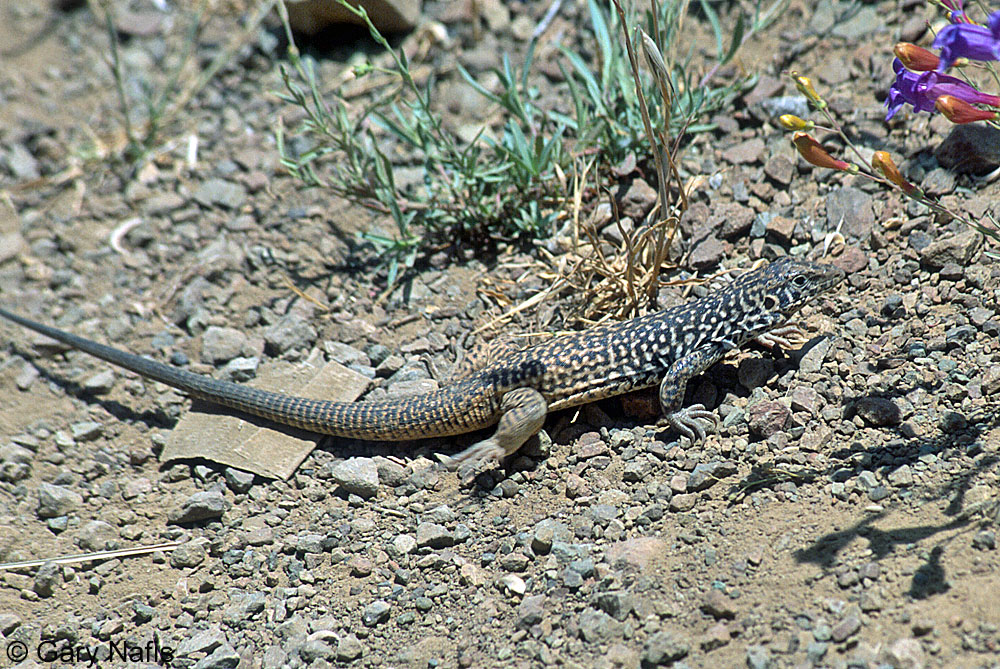 |
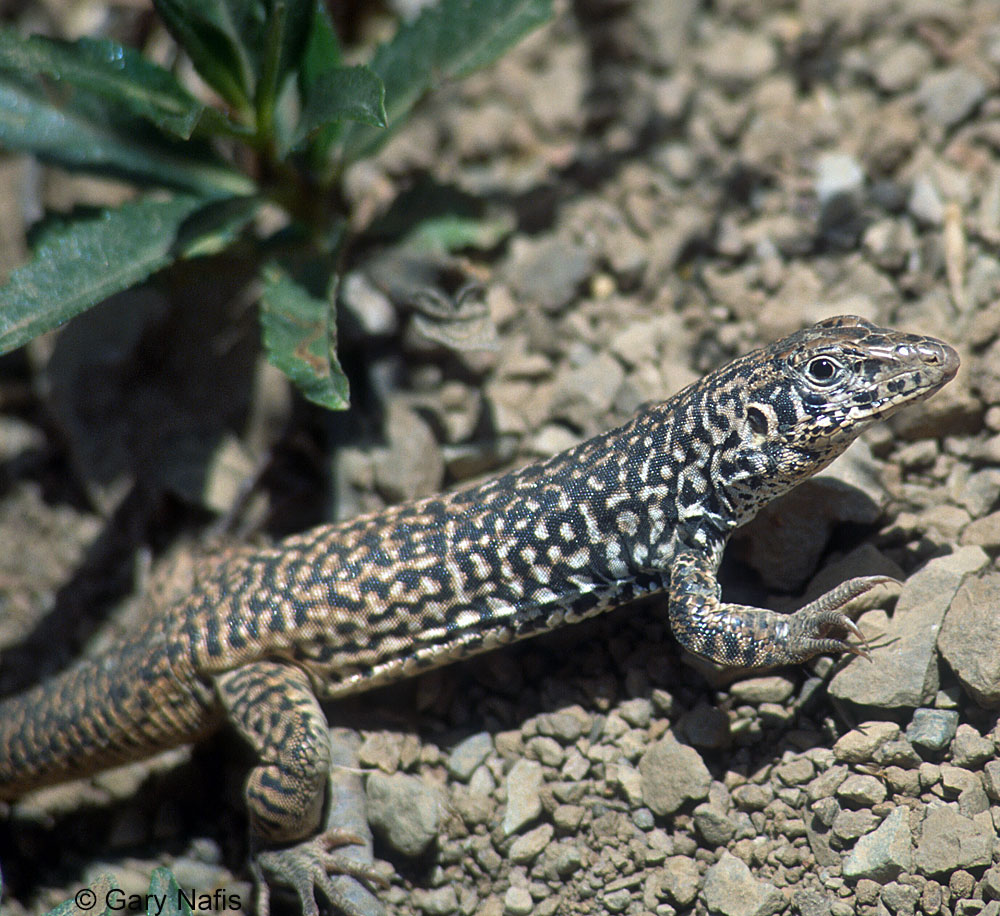 |
 |
 |
||||||||||||||||||||||||||||||||||||||||||||||||||||
| Adult, Contra Costa County | Adult, Contra Costa County, with some unshedded skin still attached. | Adult, Fresno County | |||||||||||||||||||||||||||||||||||||||||||||||||||||
 |
 |
 |
 |
||||||||||||||||||||||||||||||||||||||||||||||||||||
| Adult, Contra Costa County | Adult, San Benito County | ||||||||||||||||||||||||||||||||||||||||||||||||||||||
 |
 |
 |
 |
||||||||||||||||||||||||||||||||||||||||||||||||||||
| Adult, Sutter County © Jackson Shedd | Adult, northern Santa Clara County © George Chrisman |
Adult, Santa Barbara County © Jennifer Cox |
Adult, Solano County © Adam G. Clause | ||||||||||||||||||||||||||||||||||||||||||||||||||||
 |
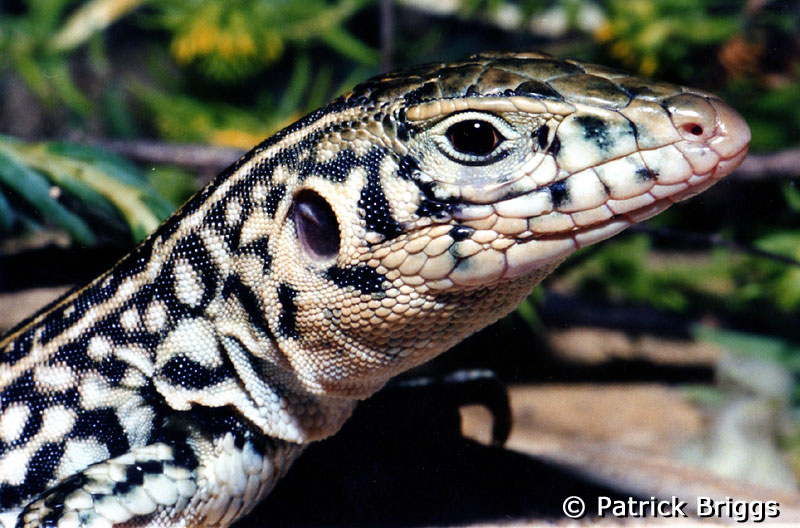 |
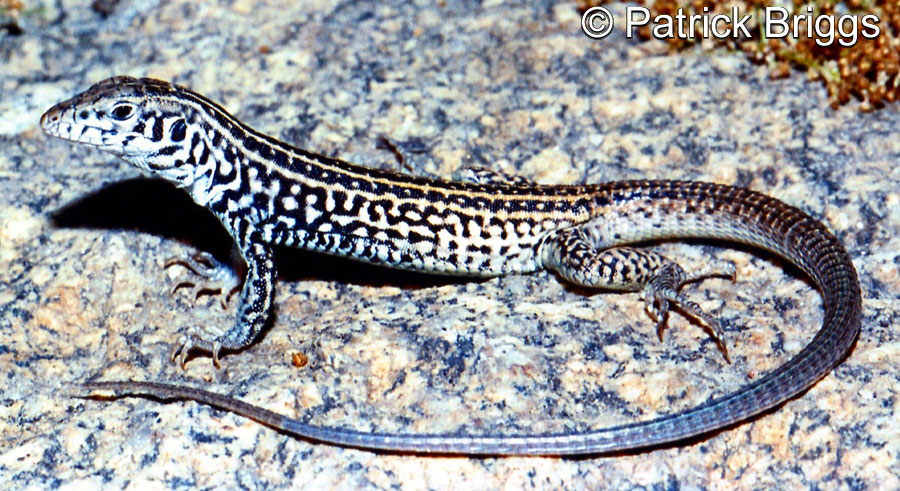 |
 |
||||||||||||||||||||||||||||||||||||||||||||||||||||
| Adult, northern Ventura County (in potential intergrade zone with A. t. stejnegeri) © Patrick Briggs |
Adult, Kings County © Patrick Briggs |
Adult, Tulare County © Patrick Briggs | |||||||||||||||||||||||||||||||||||||||||||||||||||||
 |
 |
 |
 |
||||||||||||||||||||||||||||||||||||||||||||||||||||
| Adult from North Fork Feather River Canyon near Rock Creek in Plumas County at about 2300 ft. © Railfan |
Adult, Butte County © Kurt Geiger | Adult, southern Santa Clara County © John Worden |
|||||||||||||||||||||||||||||||||||||||||||||||||||||
 |
 |
 |
 |
||||||||||||||||||||||||||||||||||||||||||||||||||||
| Adult, Monterey County © Bo Zaremba | Adult, Orange County © Tadd Kraft | This adult was observed just above the Pacific Coast highway in extreme southern Monterey County less than a quarter of a mile from the ocean. © Joel A. Germond |
|||||||||||||||||||||||||||||||||||||||||||||||||||||
 |
 |
 |
 |
||||||||||||||||||||||||||||||||||||||||||||||||||||
| Adult interesting dark pattern on the back, San Luis Obispo County © Joel A. Germond |
Adult, San Luis Obispo County © Dave Beller | ||||||||||||||||||||||||||||||||||||||||||||||||||||||
 |
 |
||||||||||||||||||||||||||||||||||||||||||||||||||||||
| Adult, San Benito County © Yuval Helfman | Adult, Santa Clara County © Yuval Helfman | ||||||||||||||||||||||||||||||||||||||||||||||||||||||
 |
 |
 |
|||||||||||||||||||||||||||||||||||||||||||||||||||||
| Adult, Santa Clara County © Wim de Groot | Adult, Santa Clara County, showing the very long toes on the hind feet © Wim de Groot |
Adult at burrow, Santa Clara County © Yuval Helfman |
|||||||||||||||||||||||||||||||||||||||||||||||||||||
 |
 |
 |
|||||||||||||||||||||||||||||||||||||||||||||||||||||
| Adult with re-generating tail, from San Luis Obispo, San Luis Obispo County © Joel A. Germond |
Adult, Alameda County © Faris K |
Adult, Santa Clara County © Yuval Helfman | |||||||||||||||||||||||||||||||||||||||||||||||||||||
 |
|
 |
 |
||||||||||||||||||||||||||||||||||||||||||||||||||||
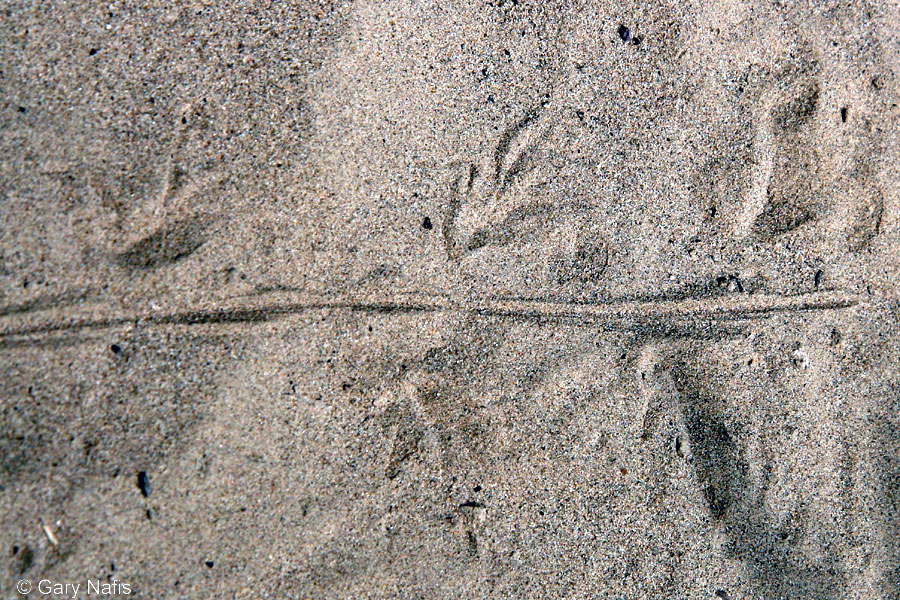
| Tiger Whiptails, Aspidoscelis tigris, have a transparent lower eyelid which you can see on the picture on the right where the eyelid is closed. | Tiger Whiptail Tracks in sand | Whiptails, genus Aspidoscelis, have small granular dorsal scales. | |||||||||||||||||||||||||||||||||||||||||||||||||||||
| Juveniles | |||||||||||||||||||||||||||||||||||||||||||||||||||||||
 |
 |
 |
 |
||||||||||||||||||||||||||||||||||||||||||||||||||||
| Juvenile, Bakersfield, Kern County | |||||||||||||||||||||||||||||||||||||||||||||||||||||||
 |
 |
 |
|||||||||||||||||||||||||||||||||||||||||||||||||||||
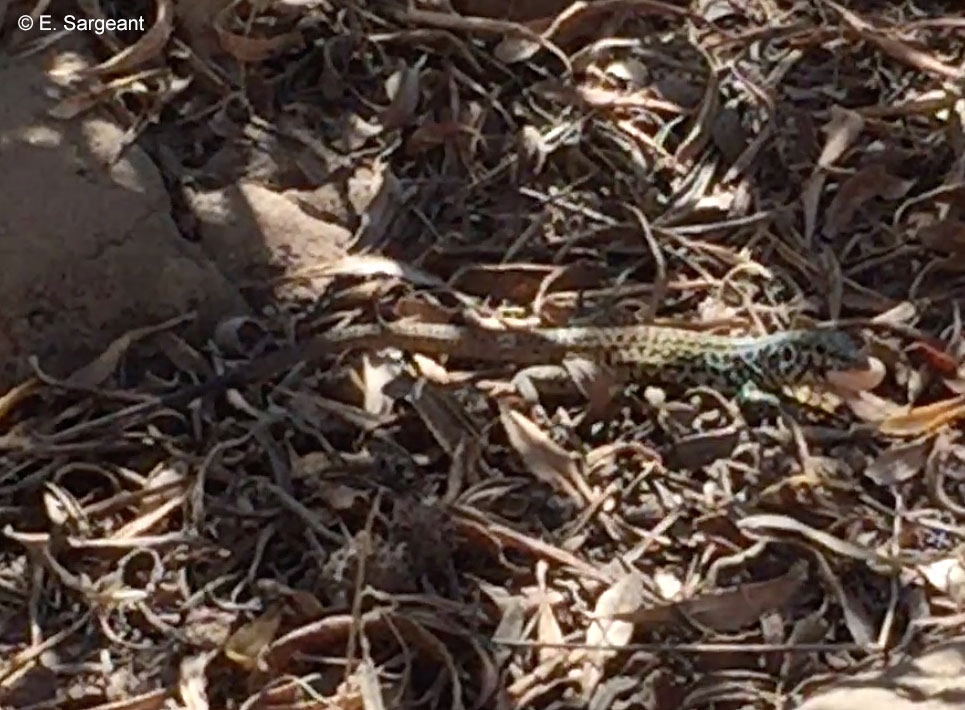
| Juvenile with some stripes, Lake County | This juvenile California Whiptail was observed in Santa Barbara County eating a small leathery egg, possibly a lizard or snake egg. The whiptail worked the egg around in its mouth for quite awhile, then spat it out half deflated, flicked its tongue out for awhile, then picked it back up, and swallowed it completely. © E. Sergeant | ||||||||||||||||||||||||||||||||||||||||||||||||||||||
| California Whiptail Defecation | |||||||||||||||||||||||||||||||||||||||||||||||||||||||
 |
 |
 |
 |
||||||||||||||||||||||||||||||||||||||||||||||||||||
 |
 |
 |
 |
||||||||||||||||||||||||||||||||||||||||||||||||||||
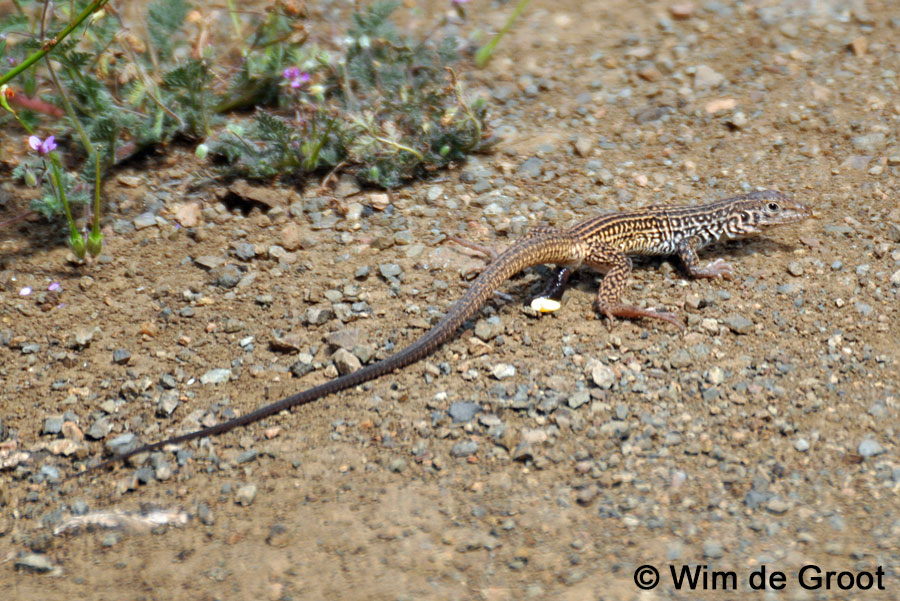
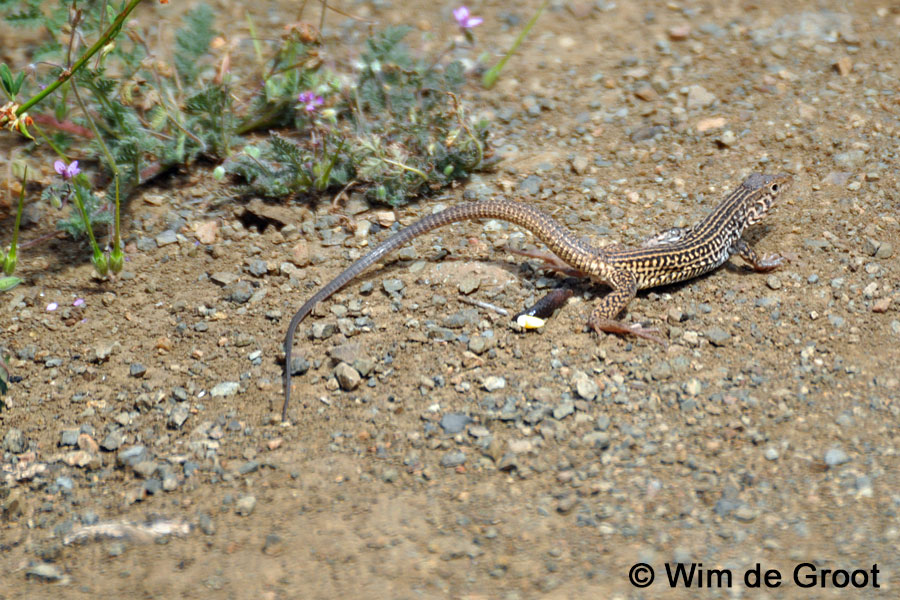
| This is a series of pictures showing how a California Whiptail defecates. (Viewed sequentially from top row left to right, then bottom row left to right.) The white part is a solid plug of uric acid, which is followed by the darker feces. © Wim de Groot |
|||||||||||||||||||||||||||||||||||||||||||||||||||||||
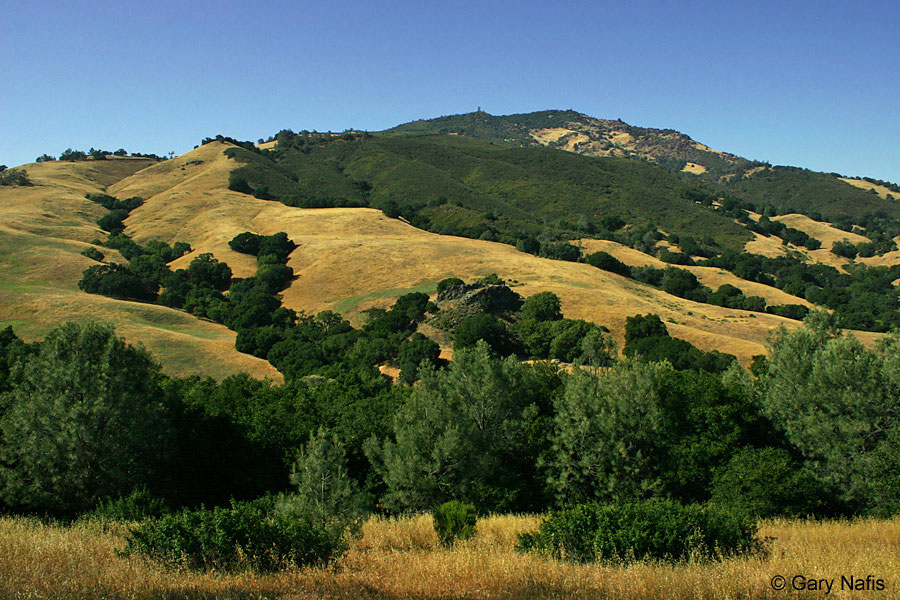
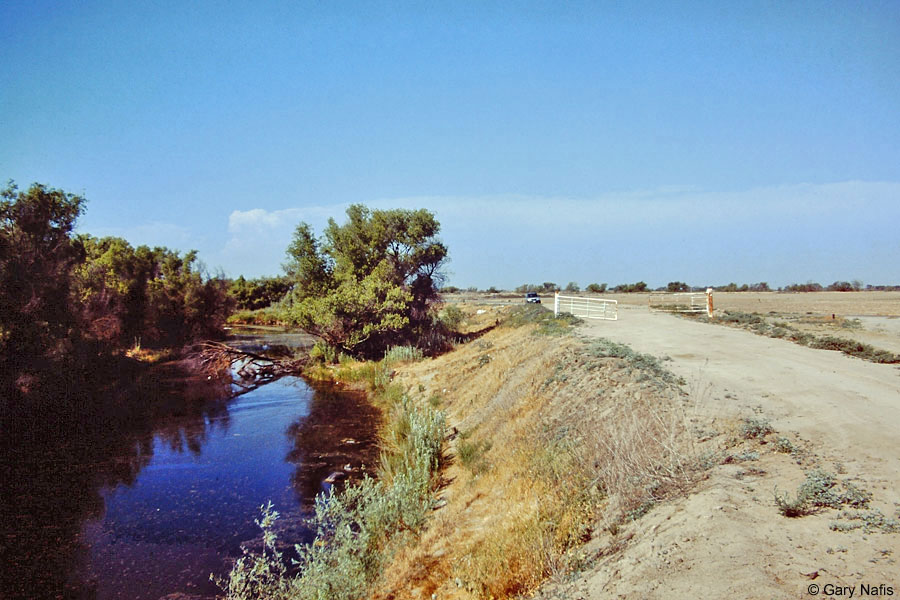
| Habitat | |||||||||||||||||||||||||||||||||||||||||||||||||||||||
 |
 |
 |
 |
||||||||||||||||||||||||||||||||||||||||||||||||||||
| Habitat, Contra Costa County | Habitat, Contra Costa County | Habitat, San Joaquin County |
Habitat, Kern County | ||||||||||||||||||||||||||||||||||||||||||||||||||||
 |
 |
 |
 |
||||||||||||||||||||||||||||||||||||||||||||||||||||
| Habitat, Riverside County | Habitat, San Joaquin County | Habitat, Fresno County |
Habitat, Contra Costa County | ||||||||||||||||||||||||||||||||||||||||||||||||||||
 |
 |
 |
 |
||||||||||||||||||||||||||||||||||||||||||||||||||||
| Habitat, Stanislaus County | Habitat, Kings County | Habitat, southern Monterey County near the ocean. © Joel A. Germond | Habitat, Santa Clara County © Yuval Helfman |
||||||||||||||||||||||||||||||||||||||||||||||||||||
 |
|||||||||||||||||||||||||||||||||||||||||||||||||||||||
| Habitat, San Luis Obispo County © Joel A. Germond |
|||||||||||||||||||||||||||||||||||||||||||||||||||||||
| Short Video | |||||||||||||||||||||||||||||||||||||||||||||||||||||||
 |
|||||||||||||||||||||||||||||||||||||||||||||||||||||||
| With characteristic jerky movement, a California Whiptail forages on the slopes of a mountain in Contra Costa County. | |||||||||||||||||||||||||||||||||||||||||||||||||||||||
|
|||||||||||||||||||||||||||||||||||||||||||||||||||||||
|
|||||||||||||||||||||||||||||||||||||||||||||||||||||||
|
The following conservation status listings for this animal are taken from the April 2024 State of California Special Animals List and the April 2024 Federally Listed Endangered and Threatened Animals of California list (unless indicated otherwise below.) Both lists are produced by multiple agencies every year, and sometimes more than once per year, so the conservation status listing information found below might not be from the most recent lists. To make sure you are seeing the most recent listings, go to this California Department of Fish and Wildlife web page where you can search for and download both lists: https://www.wildlife.ca.gov/Data/CNDDB/Plants-and-Animals. A detailed explanation of the meaning of the status listing symbols can be found at the beginning of the two lists. For quick reference, I have included them on my Special Status Information page. If no status is listed here, the animal is not included on either list. This most likely indicates that there are no serious conservation concerns for the animal. To find out more about an animal's status you can also go to the NatureServe and IUCN websites to check their rankings. Check the current California Department of Fish and Wildlife sport fishing regulations to find out if this animal can be legally pursued and handled or collected with possession of a current fishing license. You can also look at the summary of the sport fishing regulations as they apply only to reptiles and amphibians that has been made for this website. This animal is not included on the Special Animals List, which indicates that there are no significant conservation concerns for it in California. |
||
| Organization | Status Listing | Notes |
| NatureServe Global Ranking | ||
| NatureServe State Ranking | ||
| U.S. Endangered Species Act (ESA) | None | |
| California Endangered Species Act (CESA) | None | |
| California Department of Fish and Wildlife | None | |
| Bureau of Land Management | None | |
| USDA Forest Service | None | |
| IUCN | ||
|
|
||
Return to the Top
© 2000 -