
A Guide to the Amphibians
and Reptiles of California
Click on a picture for a larger view
Common Side-blotched Lizard - Uta stansburiana
Western Side-blotched Lizard - Uta stansburiana elegans
Yarrow, 1882Description • Taxonomy • Species Description • Scientific Name • Alt. Names • Similar Herps • References • Conservation Status

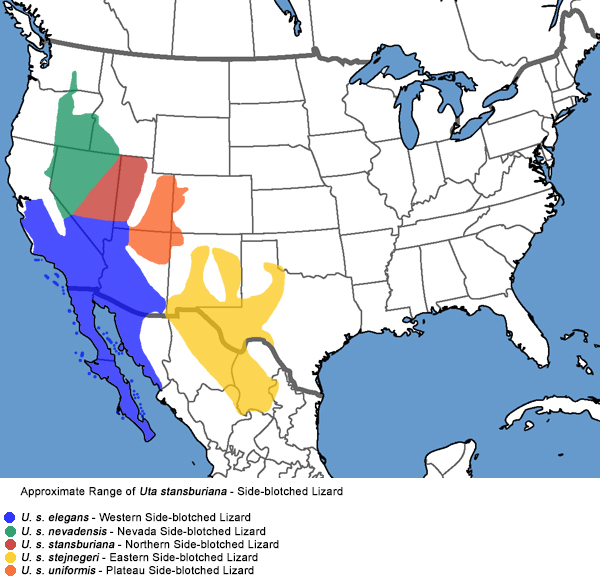
Red: Range of this subspecies in California
Uta stansburiana elegans - Western Side-blotched Lizard
Dark Blue: Range of the other subspecies in California
Uta stansburiana nevadensis -Nevada Side-blotched Lizard
Click on the map for a topographical view
Map with California County Names

 |
|||||||||||||||||||||||||||||||||||||||||||||||||||||||
| Adult male, San Diego County | |||||||||||||||||||||||||||||||||||||||||||||||||||||||
 |
|||||||||||||||||||||||||||||||||||||||||||||||||||||||
| Adult female, San Diego County | |||||||||||||||||||||||||||||||||||||||||||||||||||||||
 |
 |
 |
 |
||||||||||||||||||||||||||||||||||||||||||||||||||||
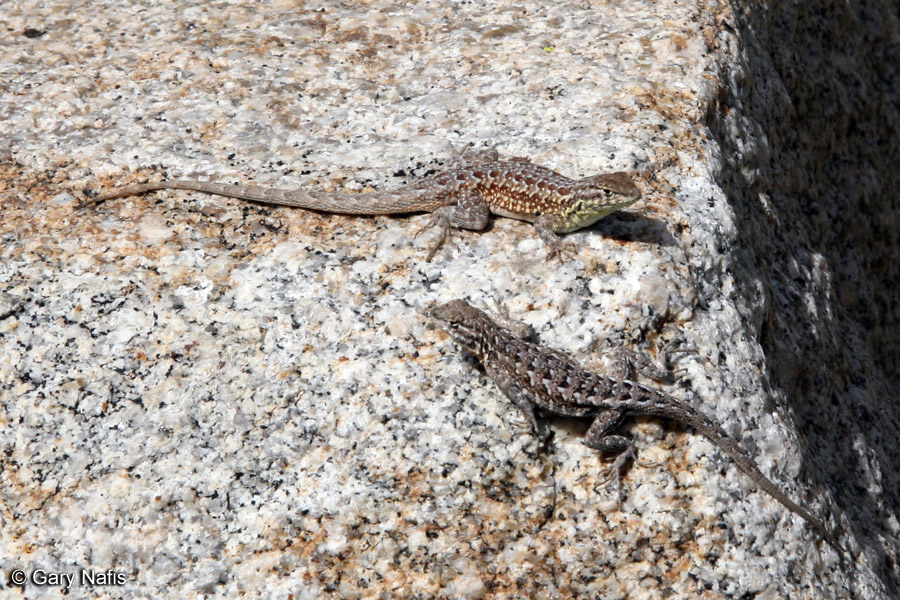
| Adult male (top) and adult female (bottom) San Benito County | Adult female, San Diego County | Adult male, San Benito County | The "side blotch" - a dark mark on the sides behind the front legs - gives this species its common name. | ||||||||||||||||||||||||||||||||||||||||||||||||||||
 |
 |
 |
 |
||||||||||||||||||||||||||||||||||||||||||||||||||||
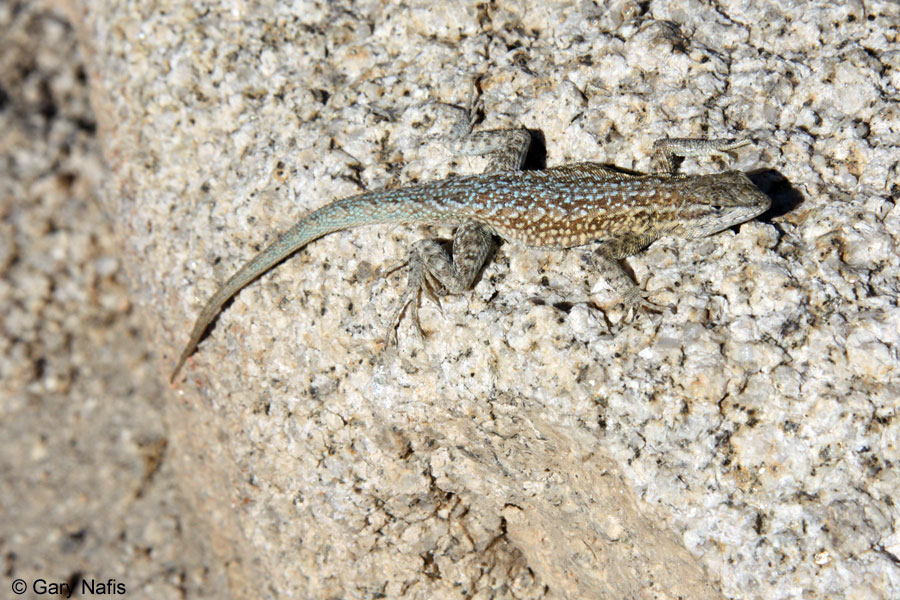
| Adult male with regrown tail, southern Inyo County |
Adult male, San Bernardino County | Adult female, San Diego County | Adult male, San Luis Obispo County | ||||||||||||||||||||||||||||||||||||||||||||||||||||
 |
 |
 |
 |
||||||||||||||||||||||||||||||||||||||||||||||||||||
| Adult male, San Bernardino County | Adult female, southern Inyo County | Adult male, Santa Cruz County | Adult male, San Diego County | ||||||||||||||||||||||||||||||||||||||||||||||||||||
 |
 |
 |
 |
||||||||||||||||||||||||||||||||||||||||||||||||||||
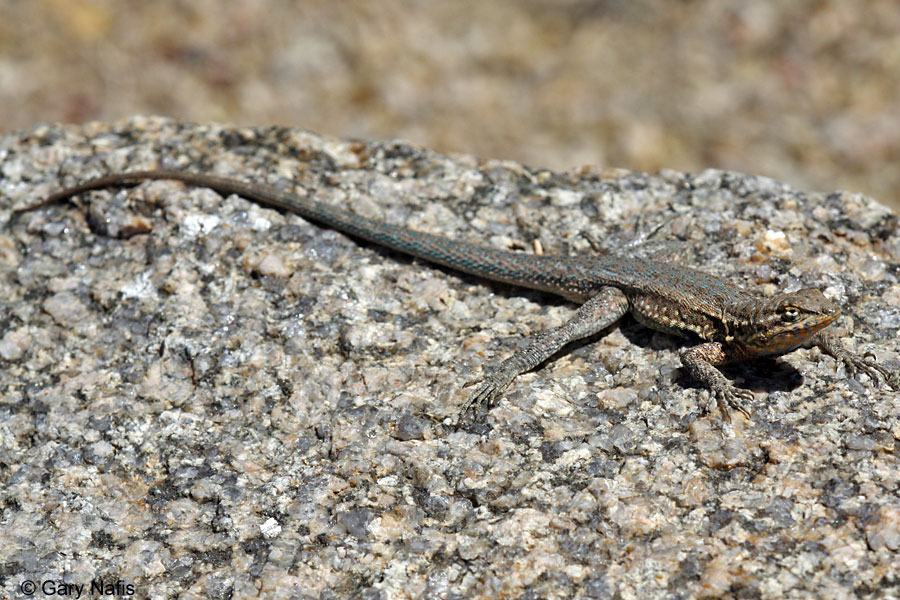
| Colorful adult male, San Bernardino County © Guntram Deichsel | Adult, Santa Clara County (east of Mt. Hamilton) © Jon Hirt | Adult male with orange throat, San Diego County |
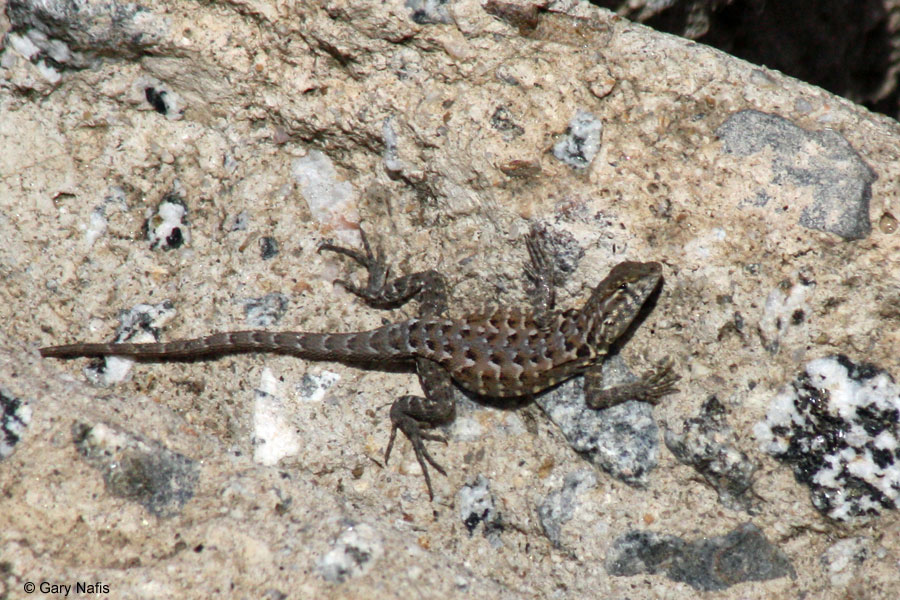
Adult female, Kern County | ||||||||||||||||||||||||||||||||||||||||||||||||||||
 |
 |
 |
 |
||||||||||||||||||||||||||||||||||||||||||||||||||||
| Adult male, San Luis Obispo County | Adult male, San Diego County | Adult male, Kern County | Adult, San Diego County | ||||||||||||||||||||||||||||||||||||||||||||||||||||
 |
 |
 |
 |
||||||||||||||||||||||||||||||||||||||||||||||||||||
| Male with yellow throat, Kern County desert | Adult female, western Riverside County | ||||||||||||||||||||||||||||||||||||||||||||||||||||||
 |
 |
 |
 |
||||||||||||||||||||||||||||||||||||||||||||||||||||
| Adult female, western Riverside County | Adult male, southern Inyo County | ||||||||||||||||||||||||||||||||||||||||||||||||||||||
 |
 |
 |
 |
||||||||||||||||||||||||||||||||||||||||||||||||||||
| Adult female, western Kern County | Adult male, San Diego County | Orange-throated adult male, San Bernardino County |
Adult female, Monterey County © Bo Zaremba |
||||||||||||||||||||||||||||||||||||||||||||||||||||
 |
 |
 |
 |
||||||||||||||||||||||||||||||||||||||||||||||||||||
| Adult male showing the characteristic black blotch on the side and a colored throat, Alameda County | Adult male, Los Angeles County | ||||||||||||||||||||||||||||||||||||||||||||||||||||||
 |
 |
 |
 |
||||||||||||||||||||||||||||||||||||||||||||||||||||
| Adult female, southern Inyo County | Adult male, San Diego County | Adult male, San Luis Obispo County | Adult female, San Bernardino County | ||||||||||||||||||||||||||||||||||||||||||||||||||||
 |
 |
 |
 |
||||||||||||||||||||||||||||||||||||||||||||||||||||
| Adult male, Santa Cruz County | Adult, southern Inyo County | Adult found under a rock in December in Alameda County © Noah Morales | Adult female, San Benito County © Holly Lane |
||||||||||||||||||||||||||||||||||||||||||||||||||||
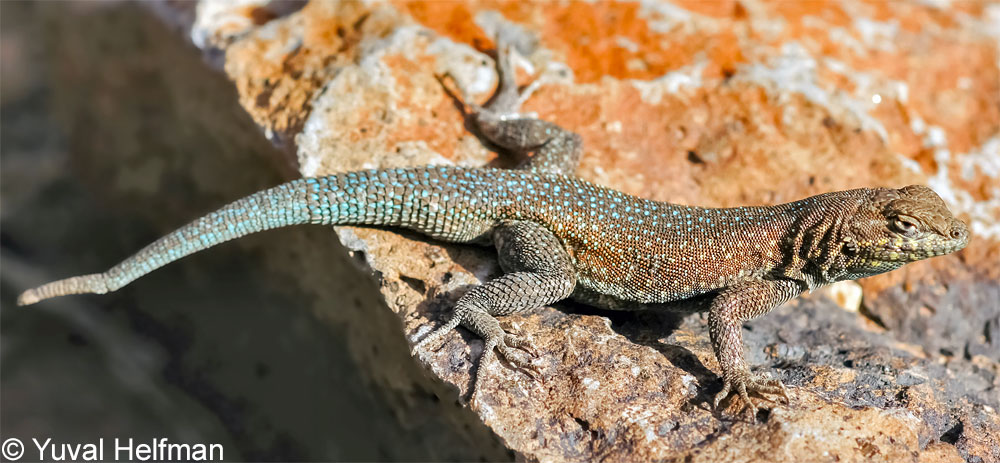 |
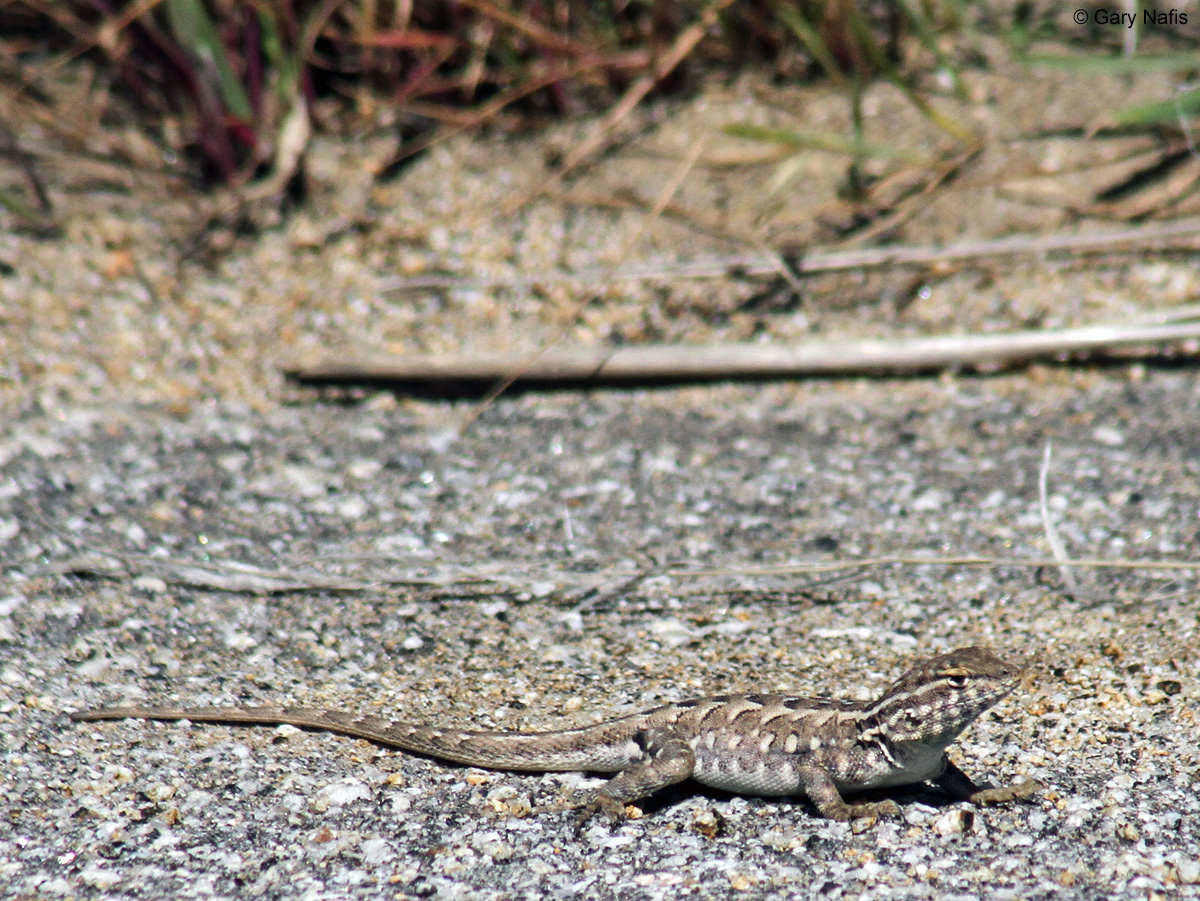 |
 |
 |
||||||||||||||||||||||||||||||||||||||||||||||||||||
| Adult male, southern Inyo County © Yuval Helfman |
Adult female, Kern County | Adult male, Inyo County | |||||||||||||||||||||||||||||||||||||||||||||||||||||
 |
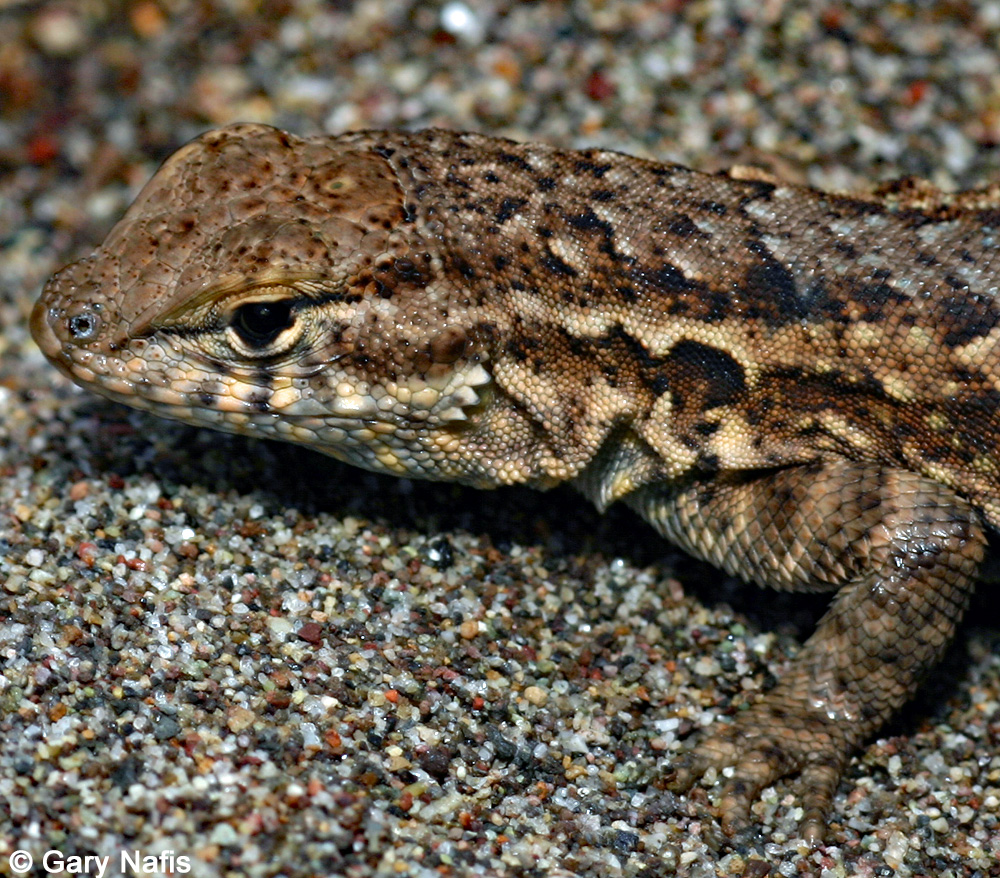 |
 |
 |
||||||||||||||||||||||||||||||||||||||||||||||||||||
| Adult male, Santa Cruz Island, Santa Barbara County | |||||||||||||||||||||||||||||||||||||||||||||||||||||||
 |
 |
 |
 |
||||||||||||||||||||||||||||||||||||||||||||||||||||
| Adult, Santa Cruz Island, Los Angeles County © Steve Bird |
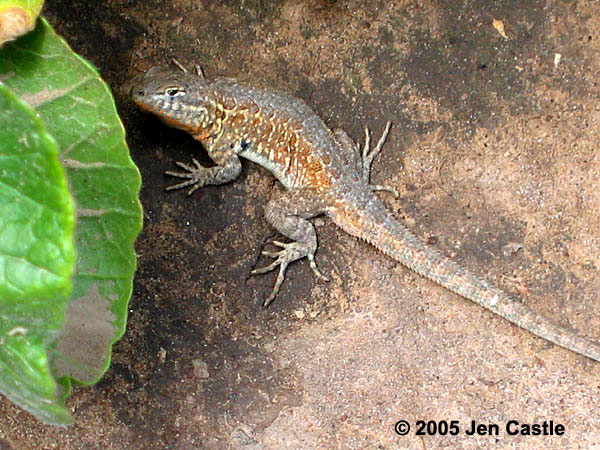
Adult male, Santa Barbara County © Jen Castle |
Adult, San Luis Obispo County © Joel A. Germond |
Adult male, Contra Costa County © Kevin Hintsa |
||||||||||||||||||||||||||||||||||||||||||||||||||||
 |
 |
 |
|||||||||||||||||||||||||||||||||||||||||||||||||||||
| Adult, Santa Catalina Island, Los Angeles County © Jeff Lemm | This picture shows the difference in color and pattern (not size) between an adult female Side-blotched lizard (above) and juvenile Western Fence Lizards (below.) © Mark Miller | The Side-blotched Lizards, genus Uta, have small keeled spineless scales on the back. | |||||||||||||||||||||||||||||||||||||||||||||||||||||
| Sometimes the light markings on the sides of the back form two distinct longitudinal stripes (usually on females.) | |||||||||||||||||||||||||||||||||||||||||||||||||||||||
 |
 |
 |
 |
||||||||||||||||||||||||||||||||||||||||||||||||||||
| Distinctly striped juvenile, San Diego County desert © Patrick Randall |
Adult female with wide stripes, San Bernardino County © Guntram Deichsel |
Striped adult female from San Bernardino County © Bo Zaremba |
Striped adult female, Kern County desert |
||||||||||||||||||||||||||||||||||||||||||||||||||||
 |
 |
 |
 |
||||||||||||||||||||||||||||||||||||||||||||||||||||
| Striped adult female, San Bernardino County desert |
Striped gravid female, Riverside County © Jim Brock |
Adult female with wide stripes, San Bernardino County desert |
Striped adult female, Santa Catalina Island © Nathan Smith |
||||||||||||||||||||||||||||||||||||||||||||||||||||
| Uncommon or Interesting Patterns and Colors | |||||||||||||||||||||||||||||||||||||||||||||||||||||||
 |
 |
 |
 |
||||||||||||||||||||||||||||||||||||||||||||||||||||
| Orange-sided adult male, San Diego County | Adult male with yellow sides, San Diego County. © Jeffrey Belotti |
This bright orange and yellow adult male was photographed in early April on the Palos Verdes Peninsula, Los Angeles County. © Sarah Ainsworth Photography | |||||||||||||||||||||||||||||||||||||||||||||||||||||
 |
 |
 |
 |
||||||||||||||||||||||||||||||||||||||||||||||||||||
| Patternless adult, San Joaquin County. © Chad M. Lane |
Patternless adult, Riverside County © Nick Barrientos |
Patternless adult female, Riverside County © Adam Helbert |
Riverside County patternless gravid adult female in center with a normally-patterned adult female on the left and a normally-patterned adult male on the right. © Adam Helbert |
||||||||||||||||||||||||||||||||||||||||||||||||||||
 |
 |
||||||||||||||||||||||||||||||||||||||||||||||||||||||
| This strange lizard observed in Temecula, Riverside County, appears to be an unusually-patterrened side-blotched lizard. © Julie Clingo. | |||||||||||||||||||||||||||||||||||||||||||||||||||||||
 |
 |
 |
|||||||||||||||||||||||||||||||||||||||||||||||||||||
| This apparently gravid Orange County female has bright orange coloring on her face and throat. Compare her to the male on her right. Like males, females can have orange, yellow, and blue throat coloring. Some orange-throated females are as colorful as the males. The photo was taken in late April. © Scott Shoemaker | Adult male with yellow sides, San Bernardino County |
||||||||||||||||||||||||||||||||||||||||||||||||||||||
| Predation | |||||||||||||||||||||||||||||||||||||||||||||||||||||||
 |
 |
 |
|||||||||||||||||||||||||||||||||||||||||||||||||||||
| Adult California Kingsnake eating a Side-blotched Lizard, Santa Catalina Island, Los Angeles County © Matthias Lemm | This juvenile Southern Pacific Rattlesnake was observed in Los Angeles County eating a Western Side-blotched Lizard that had been killed on a trail and was dead for some time before it was found by the snake, which took advantage of a free meal. © Mark Rothenay |
||||||||||||||||||||||||||||||||||||||||||||||||||||||
 |
|||||||||||||||||||||||||||||||||||||||||||||||||||||||
| Side-blotched lizards are low on the food chain, falling prey to many predators, including this desert scorpion. © Todd Battey |
|||||||||||||||||||||||||||||||||||||||||||||||||||||||
| Breeding Behavior and Nesting | |||||||||||||||||||||||||||||||||||||||||||||||||||||||
 |
 |
 |
 |
||||||||||||||||||||||||||||||||||||||||||||||||||||
| Mating adults, Los Angeles County © Emily Chebul |
Mating adults, Kern County © John Sullivan |
Mating adults, San Diego County © Douglas Brown | |||||||||||||||||||||||||||||||||||||||||||||||||||||
 |
 |
 |
 |
||||||||||||||||||||||||||||||||||||||||||||||||||||
| Mating adults, San Bernardino County © Jeremiah Easter |
A courting pair of adults in Orange County in May © Stacy Schenkel | Gravid adult female (top) and adult male (bottom) San Bernardino County. © Kate Britsch |
|||||||||||||||||||||||||||||||||||||||||||||||||||||
 |
 |
 |
|||||||||||||||||||||||||||||||||||||||||||||||||||||
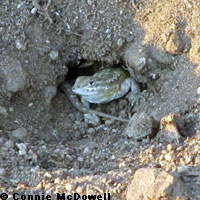
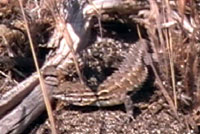
| This gravid female side-blotched lizard was found apparently digging a nest in a San Diego County backyard in mid July. © Connie McDowell |
This is a short YouTube video of a gravid female side-blotched lizard apparently digging a nest in a San Diego County backyard in mid July. © Connie McDowell | In this short video a female side-blotched lizard in the San Diego County desert repeatedly goes in and out of a small hole under an exposed root, digging out the sand with her feet and pushing it lower with her body. It's the middle of the May breeding season, so maybe she is digging out a place to lay her eggs. | |||||||||||||||||||||||||||||||||||||||||||||||||||||
| Habitat | |||||||||||||||||||||||||||||||||||||||||||||||||||||||
 |
 |
 |
 |
||||||||||||||||||||||||||||||||||||||||||||||||||||
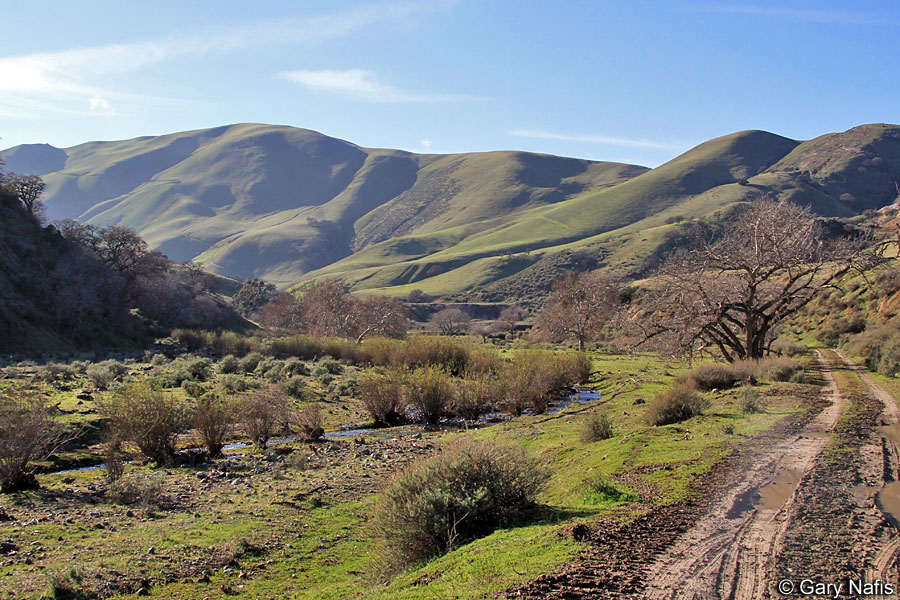
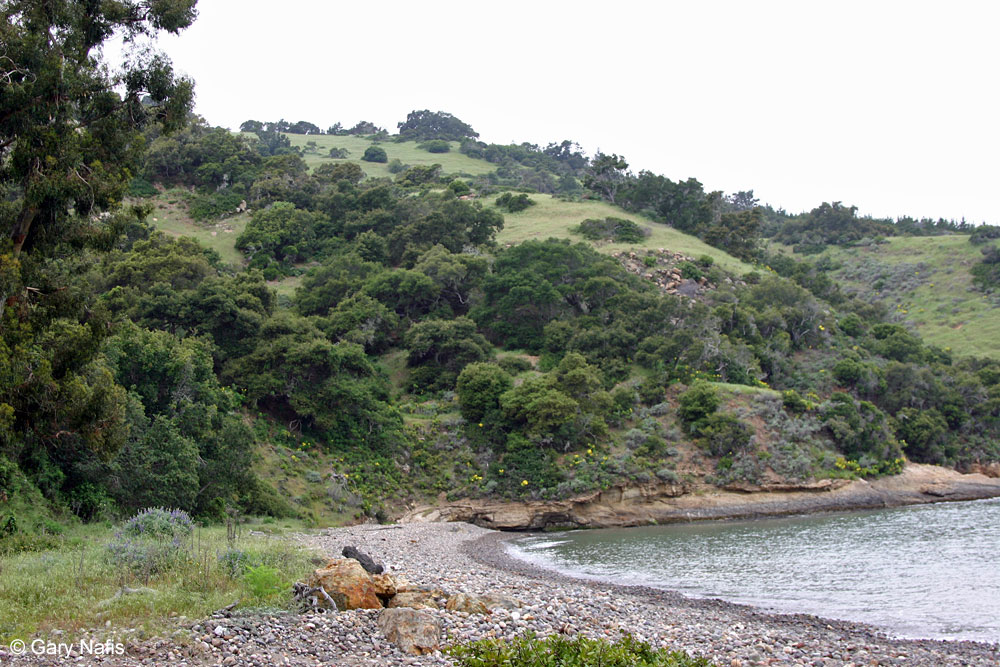
| Habitat, Mohave Desert, San Bernardino County |
Habitat, Alameda County grassland | Habitat, coastal Riverside County | Habitat, beach driftwood on Santa Cruz Island, Santa Barbara County | ||||||||||||||||||||||||||||||||||||||||||||||||||||
 |
 |
 |
 |
||||||||||||||||||||||||||||||||||||||||||||||||||||
| Habitat, San Diego County desert | Habitat, San Gabriel mountains chaparral, Los Angeles County |
Habitat, Inyo County | Habitat, Inyo County | ||||||||||||||||||||||||||||||||||||||||||||||||||||
 |
 |
 |
 |
||||||||||||||||||||||||||||||||||||||||||||||||||||
| Habitat, San Diego County desert canyon | Habitat, Carrizo Plain, San Luis Obispo County |
Chaparral / sandy wash habitat San Benito County |
Habitat, Santa Cruz Mountains, Santa Cruz County |
||||||||||||||||||||||||||||||||||||||||||||||||||||
 |
 |
 |
 |
||||||||||||||||||||||||||||||||||||||||||||||||||||
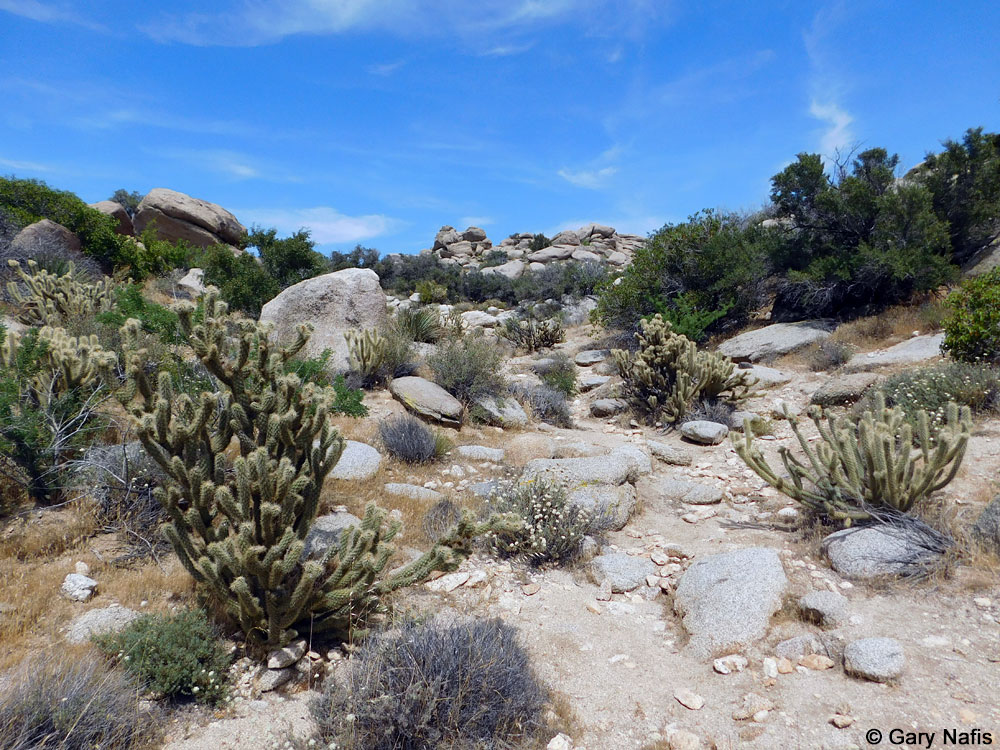
| Habitat in Spring, Kern County © Lou Silva |
Habitat, Kern County | Habitat, Inyo County | Habitat, Inyo County | ||||||||||||||||||||||||||||||||||||||||||||||||||||
 |
 |
 |
 |
||||||||||||||||||||||||||||||||||||||||||||||||||||
| Habitat in December, Alameda County © Noah Morales |
Habitat, San Diego County | Habitat, San Diego County | Habitat, Santa Catalina Island © Matthias Lemm |
||||||||||||||||||||||||||||||||||||||||||||||||||||
| Short Videos | |||||||||||||||||||||||||||||||||||||||||||||||||||||||
 |
 |
 |
|||||||||||||||||||||||||||||||||||||||||||||||||||||
| A male side-blotched lizard tries to persuade a female, chasing her and displaying. She is not interested, so she runs off the rock into the San Diego County desert. | Common Side-blotched lizards in the Mohave Desert in San Bernardino County bask on rocks, do territorial push-ups and move around in the desert. | Walking through the San Bernardino County Mohave desert we discover several of these common lizards basking in the sun. | |||||||||||||||||||||||||||||||||||||||||||||||||||||
|
|||||||||||||||||||||||||||||||||||||||||||||||||||||||
|
|||||||||||||||||||||||||||||||||||||||||||||||||||||||
|
The following conservation status listings for this animal are taken from the July 2025 State of California Special Animals List and the July 2025 Federally Listed Endangered and Threatened Animals of California list (unless indicated otherwise below.) Both lists are produced by multiple agencies every year, and sometimes more than once per year, so the conservation status listing information found below might not be from the most recent lists, but they don't change a great deal from year to year.. To make sure you are seeing the most recent listings, go to this California Department of Fish and Wildlife web page where you can search for and download both lists: https://www.wildlife.ca.gov/Data/CNDDB/Plants-and-Animals. A detailed explanation of the meaning of the status listing symbols can be found at the beginning of the two lists. For quick reference, I have included them on my Special Status Information page. If no status is listed here, the animal is not included on either list. This most likely indicates that there are no serious conservation concerns for the animal. To find out more about an animal's status you can also go to the NatureServe and IUCN websites to check their rankings. Check the current California Department of Fish and Wildlife sport fishing regulations to find out if this animal can be legally pursued and handled or collected with possession of a current fishing license. You can also look at the summary of the sport fishing regulations as they apply only to reptiles and amphibians that has been made for this website. There are no significant conservation concerns for this animal in California. |
||
| Organization | Status Listing | Notes |
| NatureServe Global Ranking | ||
| NatureServe State Ranking | ||
| U.S. Endangered Species Act (ESA) | None | |
| California Endangered Species Act (CESA) | None | |
| California Department of Fish and Wildlife | None | |
| Bureau of Land Management | None | |
| USDA Forest Service | None | |
| IUCN | ||
|
|
||
Return to the Top
© 2000 -